
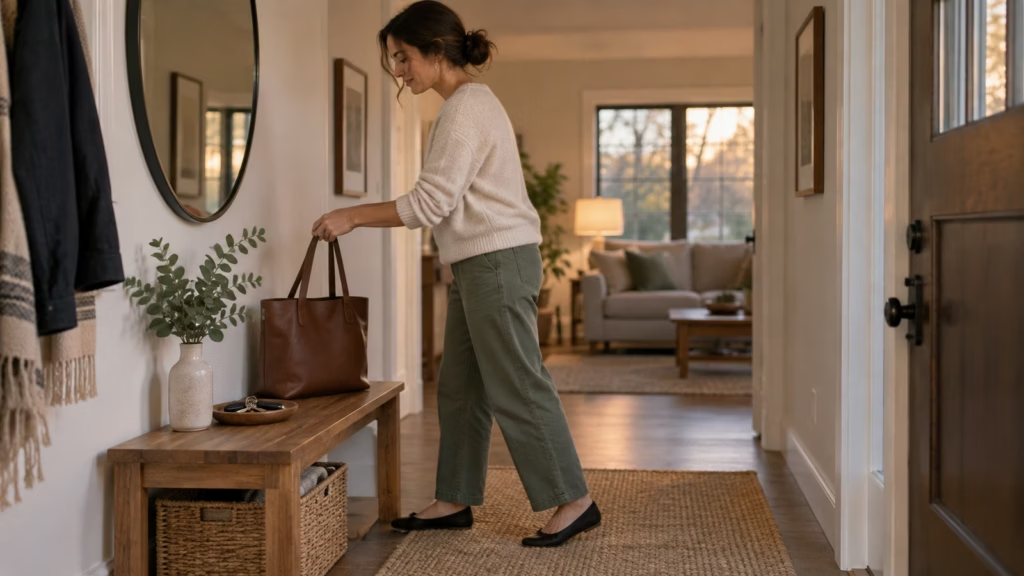
The last call ends, but the next part of the day is already waiting: dinner, errands, another person who needs you. How to decompress after work is a practical question when there isn’t an empty hour to claim. Start by marking where work stops, choose one small transition you can actually use, and decide what needs your attention next. The aim is a clearer handoff into the evening, not a perfect mood on demand.
An evening can begin with one small change of pace, even when it can’t begin with an hour off.

How to decompress after work with a clear closing cue
Give unfinished work somewhere to wait before you leave it. That might be a short note about the next task, a handover to a colleague, or closing the laptop after saving what matters. It is a practical organizational step, not a guarantee that work thoughts will disappear.
- Record the next useful step. Write something specific enough to pick up later, such as ‘Check the figures in the second section.’ An instruction you can act on is more useful than a vague reminder to ‘finish everything.’
- Identify anything genuinely urgent. Separate a real handover or on-call duty from a task that can wait. Follow your workplace’s agreed responsibilities rather than leaving an important obligation unresolved.
- Use a visible finish. Put work materials away, close the relevant tabs, or place your bag in its usual spot. At a shared table, even moving the work pile into a tray can mark the change.
I’d keep this short enough to use on an ordinary day. A closing routine that becomes a full review of every project can quietly turn into more work, which rather defeats the point.
Choose the transition that fits your actual route home
There is no single answer to how to decompress after work because the space between responsibilities varies. The following three options are examples to adapt, not a timed wellness prescription. Choose the smallest version that fits your responsibilities, access needs, and surroundings.
- If you commute: use a safe part of the journey to change focus. On public transport, that might mean familiar music or simply looking away from work messages; while driving, keep your attention on the road and avoid interacting with devices.
- If you work from home: leave the work spot when you finish, even if that means moving to another chair or putting the laptop out of sight. A brief change of room, clothes, or activity can give the evening a different starting point.
- If you move straight into care or household duties: look for a realistic handover, shared task, or later pause. You might sit down with water while making the next plan, or agree on a short break with another adult when support is available.
For example, someone working at the dining table could put the laptop in a cupboard and set the table for the next activity. Someone arriving home to immediate care needs might plan their pause after the first necessary task. Neither version requires pretending the evening is empty.

Pick one activity that matches what you need
When thinking about how to decompress after work, ask whether you want quiet, movement, connection, or simply a basic need met. NIMH’s self-care guidance includes enjoyable relaxing activities, regular meals, sleep, and support from others. It also recognizes that what works can differ from person to person.
- For a quieter start: sit without adding another stream of information, listen to familiar music, or read a little. You do not have to fill every pause with something instructive.
- For a change of scene: take a comfortable walk if conditions and your mobility allow, or move to a different part of the home. Choose an option that feels manageable after the day you had.
- For connection: ask someone whether they have space for a brief conversation. Say whether you want company, help thinking something through, or simply a listening ear.
- For ordinary practical needs: eat if you need a meal, get comfortable, or prepare what the next part of the evening requires. Decompression does not have to look like a retreat brochure.
I prefer one well-chosen activity to a stack of calming tasks. If checking the news tends to swallow the pause you intended to take, our guide to limiting doomscrolling offers a more deliberate way to handle that habit.
Know what a small routine cannot solve
Learning how to decompress after work does not make an unreasonable workload reasonable. NIOSH’s guidance on job stress emphasizes working conditions, including excessive demands and unclear expectations. A personal routine can sit alongside conversations about those problems; it should not be used to explain them away.
- Clarify after-hours expectations. If messages keep reopening the day, discuss what requires a response, through which channel, and when. Account for genuine on-call arrangements rather than assuming everyone can switch off at the same hour.
- Make the next evening easier where possible. Share a task, prepare one essential item earlier, or move a nonurgent job. Look for a concrete pressure you can reduce instead of expecting yourself to become endlessly better at coping.
- Notice repeated difficulty. If every evening feels unmanageable, ask what is repeatedly consuming the available space: work, caregiving, travel, or another demand. That information can help when requesting practical support.
- Seek professional help for ongoing distress. Persistent or severe sleep problems, low mood, anxiety, or difficulty doing usual tasks deserve qualified support. A brief transition routine is not treatment for burnout or a mental health condition.
Keep the part that helps and simplify the part you never use. A workable evening beginning should make daily life a little less crowded, not become another standard you feel obliged to meet.
Sources

Hi, I’m Sara Tancradi, the author behind Zenypath. I write about everyday wellness, mindful living, and small habits that make room for a little more calm. My approach is practical and gentle: explore what’s useful, stay curious, and find routines that fit your life. Through clear explanations and approachable ideas, I hope to make caring for yourself feel less overwhelming—and a little more enjoyable.