
A tense message arrives, and suddenly a simple breathing video feels like another set of instructions to get right. Breathing exercises for everyday stress can be much gentler: settle into a comfortable position, let the breath move without forcing it, and use a count only if it helps. This is a pause you can adapt, not a contest for the deepest breath.
A comfortable breath is a better starting point than a perfect breathing pattern.
Begin breathing exercises with a comfortable setup
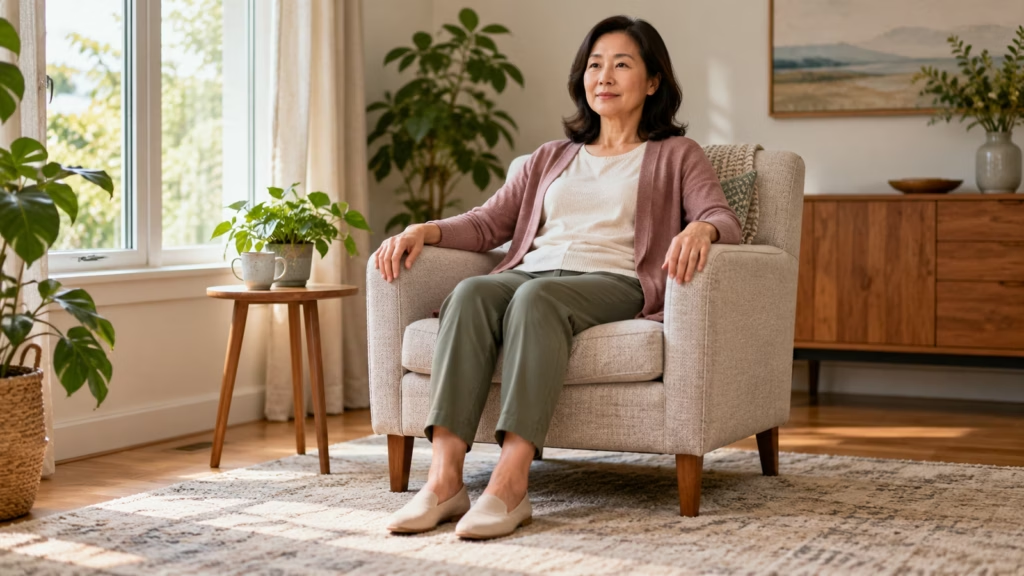
You can practice sitting, standing, or lying down when the position is suitable for you. The NHS breathing guide suggests comfortable support and loosening clothes that restrict breathing. A chair is a perfectly ordinary starting place; you do not need a mat or a special corner.
I’d first remove the small distractions that make staying put awkward. Put down anything you are carrying, let your arms rest, and choose a safe moment when you are not driving or handling equipment. Your surroundings do not have to become completely silent.
- If sitting: use a chair that supports your back and keep your feet supported. Make the position comfortable rather than holding yourself rigidly upright.
- If standing: choose a stable place and a comfortable stance. Sitting is a better choice if balance or dizziness is a concern.
- If lying down: use a suitable surface and a position that feels comfortable; getting on the floor is optional.
- Keep your eyes as you prefer: you can look softly ahead. Closing them is not a requirement for the practice to count.
For a breathing condition or an existing care plan, use your clinician’s instructions. General stress exercises should not replace breathing techniques prescribed for a particular health problem.
Let the rhythm be gentle and the count optional
The NHS approach is to breathe gently through the nose and let the breath out through the mouth, allowing it to reach as deeply as feels comfortable without forcing. It suggests counting from one to five if helpful, while noting that reaching five may not be comfortable at first.
- Start without changing much. Notice an ordinary breath and how your supported position feels. There is no need for a huge preparatory inhale.
- Let the breath move gently. Follow the comfortable rhythm described in the NHS guide, rather than trying to fill to a maximum or push the air out.
- Add a steady count only if useful. A count is a cue, not a target you must reach. Do not extend a breath to satisfy a number.
- Continue while comfortable. The NHS recommends practicing for at least five minutes as part of a regular routine. That is guidance for practice, not a deadline for feeling calm.
- Finish normally. Let your attention return to the room, move at your usual pace, and decide what the next practical step needs to be.
This gentle version does not require breath-holding or fast breathing. If counting becomes another source of tension, leave it out. I would choose an easy rhythm over an impressive-looking sequence every time.
Practice in an ordinary gap, not only a crisis
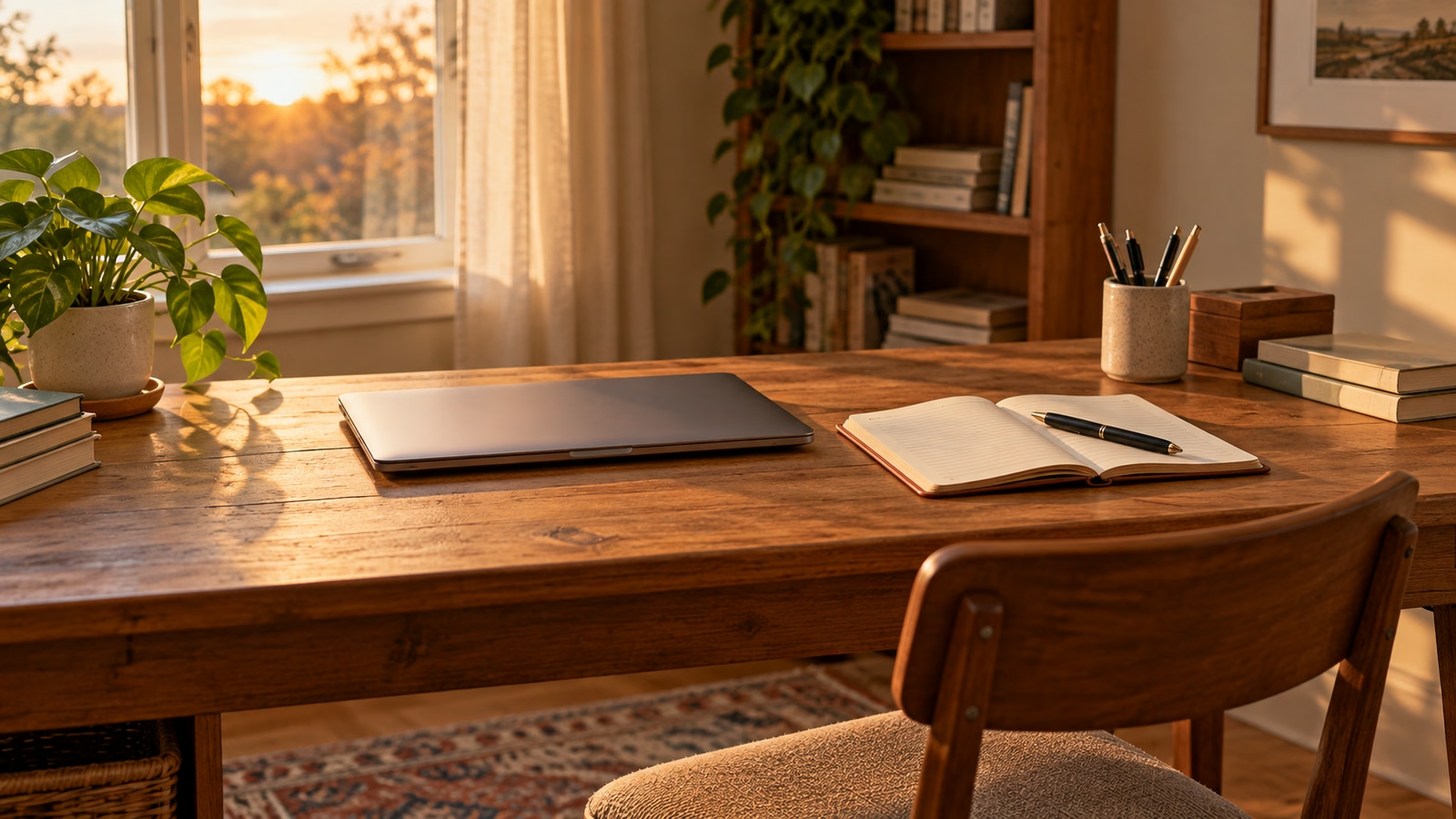
A familiar moment can make the practice easier to remember: after closing a laptop, before leaving a quiet room, or during an available break. Choose a pause that actually exists in your day. A reminder is useful only if it does not demand attention while you are doing something unsafe.
The National Center for Complementary and Integrative Health notes that relaxation techniques may be most useful with regular practice and wider support. Breathing exercises are one possible tool, not a substitute for changing an unreasonable workload or getting needed care.
- Make the invitation specific: ‘after this call, when I am sitting safely’ is easier to act on than ‘be calmer today.’
- Keep the equipment minimal: a comfortable place is enough. An app or recording is optional, especially if a screen adds distraction.
- Notice whether it suits you: ask whether the practice felt comfortable and manageable. Avoid repeatedly checking a watch for proof of an effect.
- Return to the actual need: after the pause, you may still need a conversation, a break, or a change to the plan. A quieter moment does not remove that need.
Our after-work decompression guide looks at the broader transition when the evening is already full. You can use a breathing pause within that transition without making it the whole answer.
Stop or choose another focus when needed
Paying close attention to breathing does not feel calming to everyone. NCCIH reports occasional negative experiences, including increased anxiety or intrusive thoughts, with relaxation techniques. Stop if the exercise feels uncomfortable or makes distress worse; you are allowed to choose a different approach.
- If you feel lightheaded: stop the deliberate pattern, return to normal breathing, and sit safely. Seek medical advice for persistent or concerning symptoms.
- If inward attention feels unpleasant: notice an ordinary object or try an appropriate familiar activity instead. Our grounding guide offers outward-attention options.
- If stress remains difficult to manage: talk with a qualified professional. A self-help practice should support care, not postpone it.
- Do not assume breathlessness is stress: new or unexplained breathing difficulty needs medical assessment. Severe difficulty breathing or a tight, heavy chest warrants emergency help.
The NHS breathlessness guidance explains why symptoms should not be self-diagnosed. Keep breathing exercises in their proper place: an optional, gentle practice for ordinary stress, with comfort and appropriate care ahead of any pattern.
Sources
- NHS: Breathing Exercises for Stress
- NCCIH: Relaxation Techniques for Stress
- NCCIH: Relaxation Techniques and Safety
- NHS: Shortness of Breath
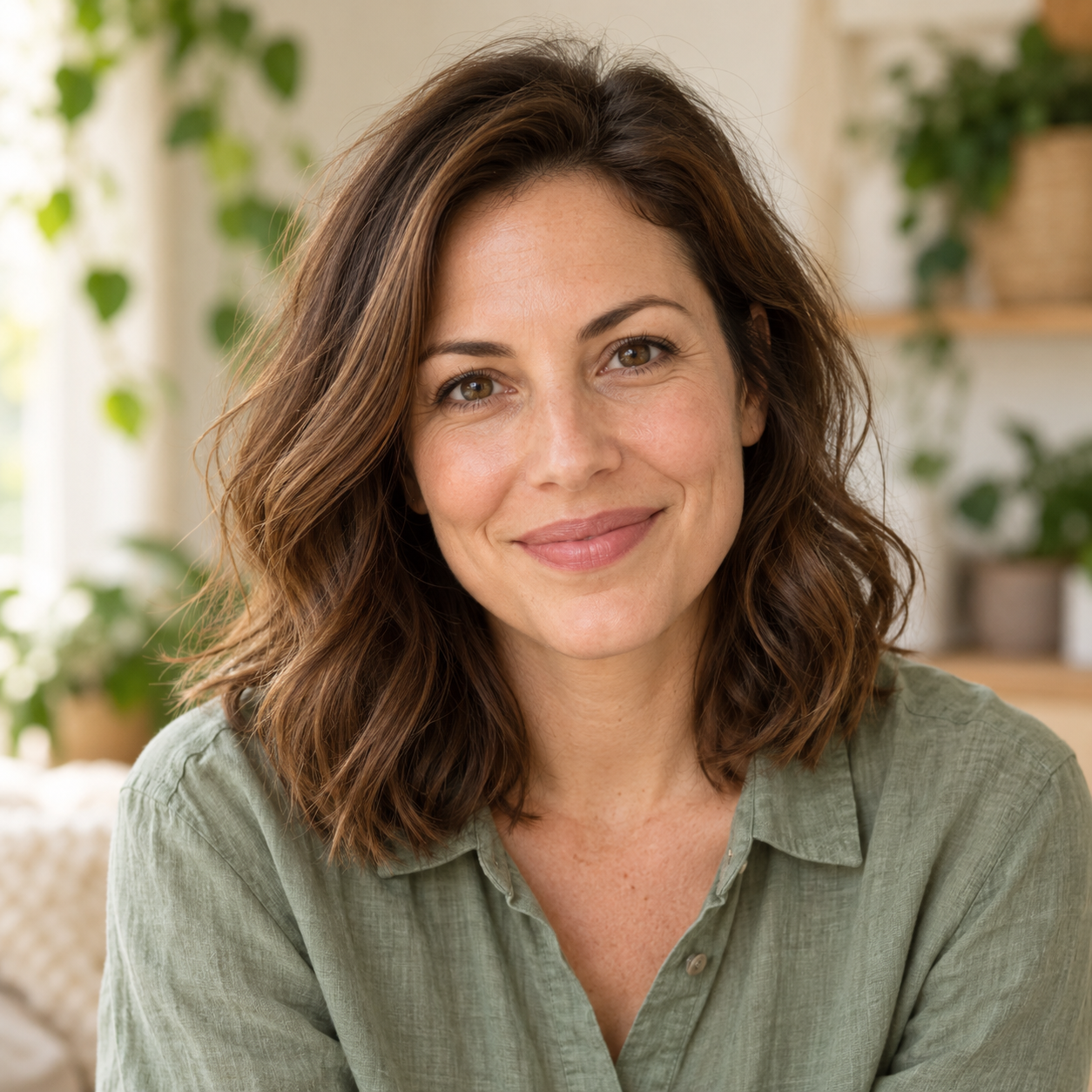
Hi, I’m Sara Tancradi, the author behind Zenypath. I write about everyday wellness, mindful living, and small habits that make room for a little more calm. My approach is practical and gentle: explore what’s useful, stay curious, and find routines that fit your life. Through clear explanations and approachable ideas, I hope to make caring for yourself feel less overwhelming—and a little more enjoyable.