
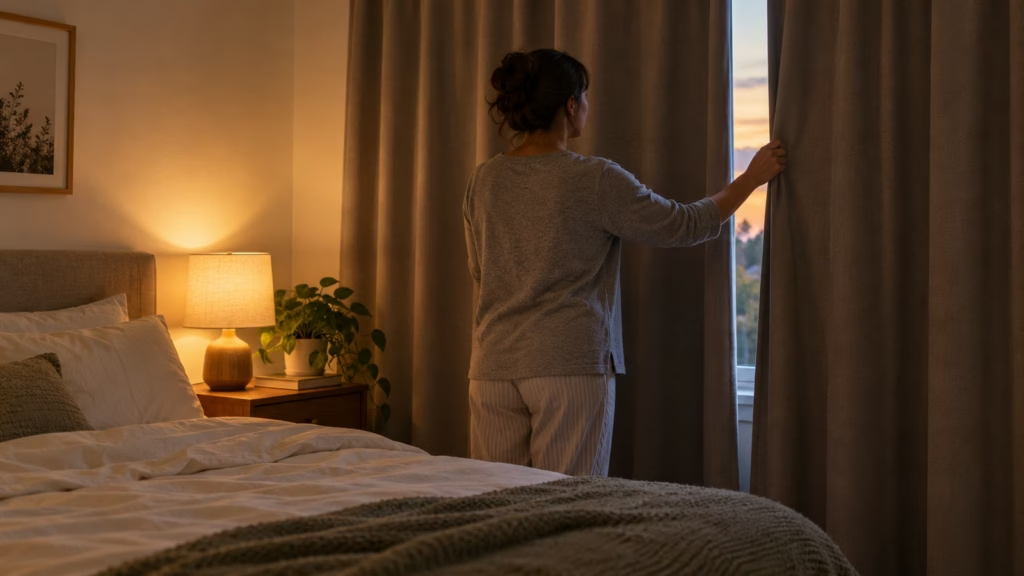
The bed is made, the lamp is soft, and the streetlight still lands directly on your pillow. A useful sleep environment starts with what you notice when you actually lie down: light, noise, temperature, and interruptions. Aim for a comfortably cool, quiet, dark room, then adjust the specific problem instead of collecting more sleep accessories.
Make the room easier to sleep in before asking yourself to become better at sleeping.
Check your sleep environment from the pillow
A daytime glance misses some of the things that matter at night. Look from your usual sleeping position, at your usual bedtime. A tiny indicator light may be in your eyeline; a blanket that feels lovely while reading may feel too warm once you settle.
The National Heart, Lung, and Blood Institute recommends a quiet, cool, dark bedroom, while allowing a dim night light when needed. I would use that as a direction, not a demand for a perfectly silent cave.
| What you notice | A first practical check |
|---|---|
| Light falls across the bed | Check curtain gaps and nearby screens |
| You keep throwing covers off | Try a lighter bedding layer |
| A repeated noise interrupts you | Identify its source before adding more sound |
| You reach for each phone alert | Move optional alerts away from the bedside |
Choose the most obvious issue first. Changing four things together may feel thorough, but it makes it harder to tell which adjustment was useful. A workable room beats a long shopping list, especially when the list comes with its own charging cables.
Reduce light without making the room unsafe
Opaque curtains or a comfortable eye mask can be options when outside light is difficult to avoid. CDC/NIOSH’s sleep-environment guidance includes blocking intrusive light and managing phone interruptions. You do not need to replace a whole room to address one bright window.
- Close the actual gap: check how the curtains meet and whether the existing blind is fully lowered. Try the no-cost adjustment before buying a replacement.
- Keep necessary lighting: if you need to get up safely, use a suitable dim light and keep the route clear. Darkness is not worth a fall.
- Handle device glow safely: use the device’s normal display controls where available. Do not cover ventilation openings or equipment that needs to remain visible.
- For daytime sleep: light-blocking window coverings may be especially useful. Coordinate your room setup with the needs of a shift-work schedule.
I would keep the change simple enough to repeat every night. Curtains you can reach and close easily are more useful than an impressive arrangement that turns bedtime into a small furniture project.
Choose comfortable bedding and a manageable temperature
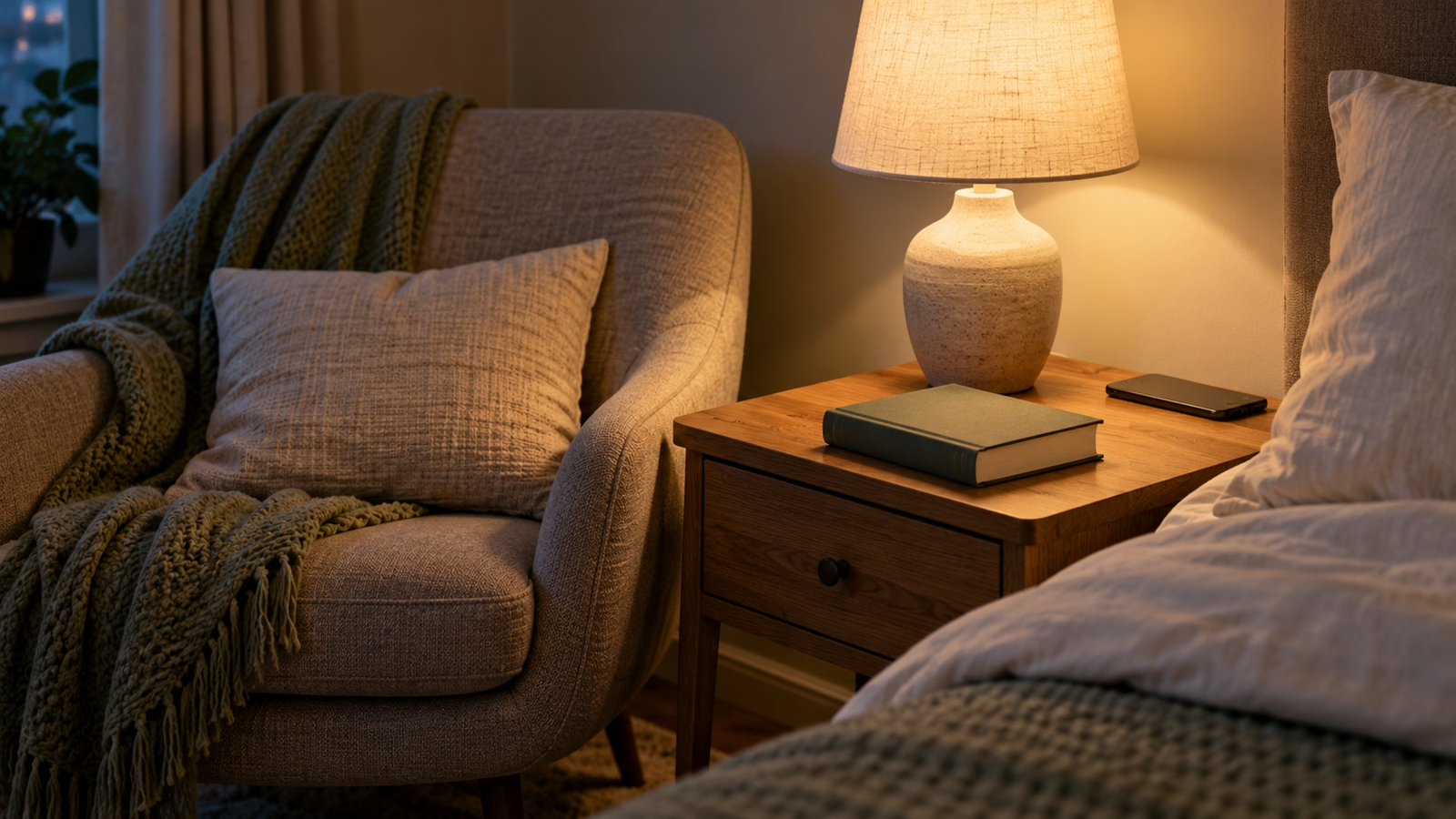
Cool does not mean shivering. The NHS notes that a room that is too hot or cold and an uncomfortable bed can contribute to sleep difficulty. Start with your own comfort: the covers you keep pushing away, the pillow that makes settling awkward, or the room that feels stuffy.
A single thermostat number cannot describe every person’s bedding, room, or comfort. I’d first try a lighter layer or adjust the existing temperature control, then see whether the setup feels easier. This is an ordinary comfort check, not a treatment for a sleep disorder.
- Use layers you can adjust: an easily removed blanket gives you more flexibility than one heavy covering.
- Check shared preferences: separate bedding layers may help two people manage different comfort needs without repeatedly changing the whole room.
- Keep equipment safe: follow the manufacturer’s instructions for fans or heaters, keep vents clear, and avoid trailing cables across a nighttime walking route.
- Consider security and outdoor conditions: opening a window is optional, not a requirement. Noise, air quality, weather, and personal safety still matter.
You do not have to buy a new mattress because an article mentions comfort. Start by noticing the problem; consider professional advice for persistent pain rather than assuming bedding will resolve it.
Work on interruptions, then notice the difference
First identify the sound: a television, notification, pet, household routine, or outside traffic. Agreeing on quieter hours may be more useful than adding a sound machine. Earplugs can be an option, but consider whether you must hear essential alarms, children, or other safety signals.
- Make one clear household request: ask for headphones after bedtime or a quieter place for a late call. Describe the practical change rather than blaming someone’s habits.
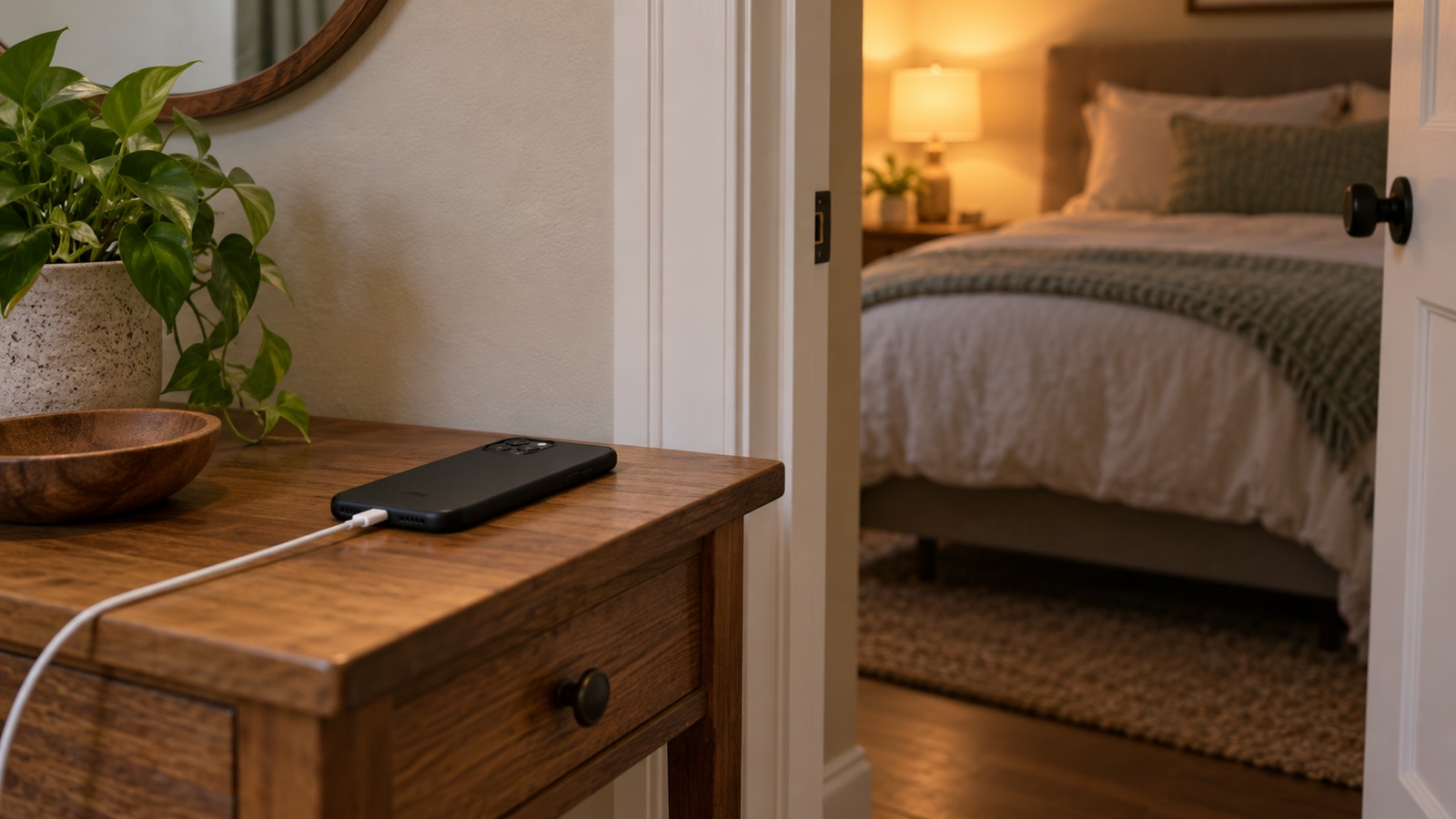
- Keep essential access: silence optional phone alerts while preserving the contacts and alarms you need. Our bedtime-procrastination guide covers making space for both leisure and sleep.
- Notice the whole night: jot down whether the specific interruption improved and how you felt the next day. Avoid judging the experiment from one unusually difficult night.
- Seek help when needed: persistent sleep difficulty, or sleep problems that make daily life hard to manage, deserve medical advice.
The NHS recommends seeking help when habit changes have not helped or insomnia affects daily life. A better sleep environment is useful support; it cannot explain every reason you are awake. Keep the helpful adjustment, and do not turn an unresolved problem into a verdict on your effort.
Sources

Hi, I’m Sara Tancradi, the author behind Zenypath. I write about everyday wellness, mindful living, and small habits that make room for a little more calm. My approach is practical and gentle: explore what’s useful, stay curious, and find routines that fit your life. Through clear explanations and approachable ideas, I hope to make caring for yourself feel less overwhelming—and a little more enjoyable.