

The house is quiet, nobody needs an answer, and you finally get to choose what happens next. Unfortunately, what happens next was supposed to be bed. Bedtime procrastination can start in that gap between wanting rest and wanting a little time that belongs to you. A useful first step is to protect something enjoyable earlier, choose a clear stopping cue, and make the transition to bed less fussy.
Personal time deserves a place in your day before sleep becomes the only thing left to trade for it.
What bedtime procrastination is, and what it isn’t
Researchers describe bedtime procrastination as going to bed later than intended when outside circumstances aren’t preventing you. The original 2014 study linked the behavior with self-reported insufficient sleep, but its survey design did not prove cause and effect. The label describes a pattern; it isn’t a verdict on your character.
- You keep choosing another activity. You could begin getting ready, but another episode, game, or household task keeps winning. This is the kind of delay the term is meant to describe.
- You have an obligation you cannot leave. A late shift or someone who needs care is a real constraint. Calling that procrastination misses the practical support you may need.
- You get into bed but cannot sleep. That is different from postponing the trip to bed. A habit checklist is not a diagnosis or a substitute for help with ongoing sleep difficulties.
The Cleveland Clinic’s explanation of ‘revenge’ bedtime procrastination highlights the wish to reclaim personal time. Not every late bedtime has that motive, so start by noticing what your own evening is doing.

Name what you want from the extra time
Before removing an activity, ask what you’re hoping it will give you. Enjoyment, privacy, company, and finishing an unfinished task are different needs. I’d rather identify that need than make a rule so strict that bedtime becomes another person telling you what to do.
- If you want enjoyment: name one thing you actually look forward to. Sketching, a chapter, or listening to a favorite album gives you a clearer choice than opening several apps and seeing where you land.
- If you want quiet: look for the smallest interruption-free space you can reasonably protect. It might be a short pause after work, with an agreed handoff at home when that is possible.
- If you want connection: consider whether a planned call or earlier shared activity would meet the need better than staying available indefinitely.
- If you want closure: decide which task truly has to finish tonight. Write down the next step for the others so they don’t all become bedtime jobs.
You don’t have to turn leisure into a productivity exercise. Choosing something on purpose simply gives you a chance to notice whether the evening contains what you wanted, rather than only more time awake.
Try three changes that make stopping easier
These are practical experiments for bedtime procrastination, not a clinically tested three-step program. Pick the change that addresses your biggest obstacle first, then see whether the others would help. A routine that works only on an unusually peaceful evening needs a smaller version.
- Give one enjoyable activity an earlier slot. Put a specific, modest piece of leisure before the final bedtime stretch when your schedule allows. For example, draw for a little while after dinner instead of waiting until every possible chore is finished.
- Choose an ending you can recognize. Decide on the chapter, episode, or reminder that means it’s time to wrap up. Disable autoplay if that suits you, or leave a bookmark where you plan to stop. The cue should be clear without becoming a punishment.
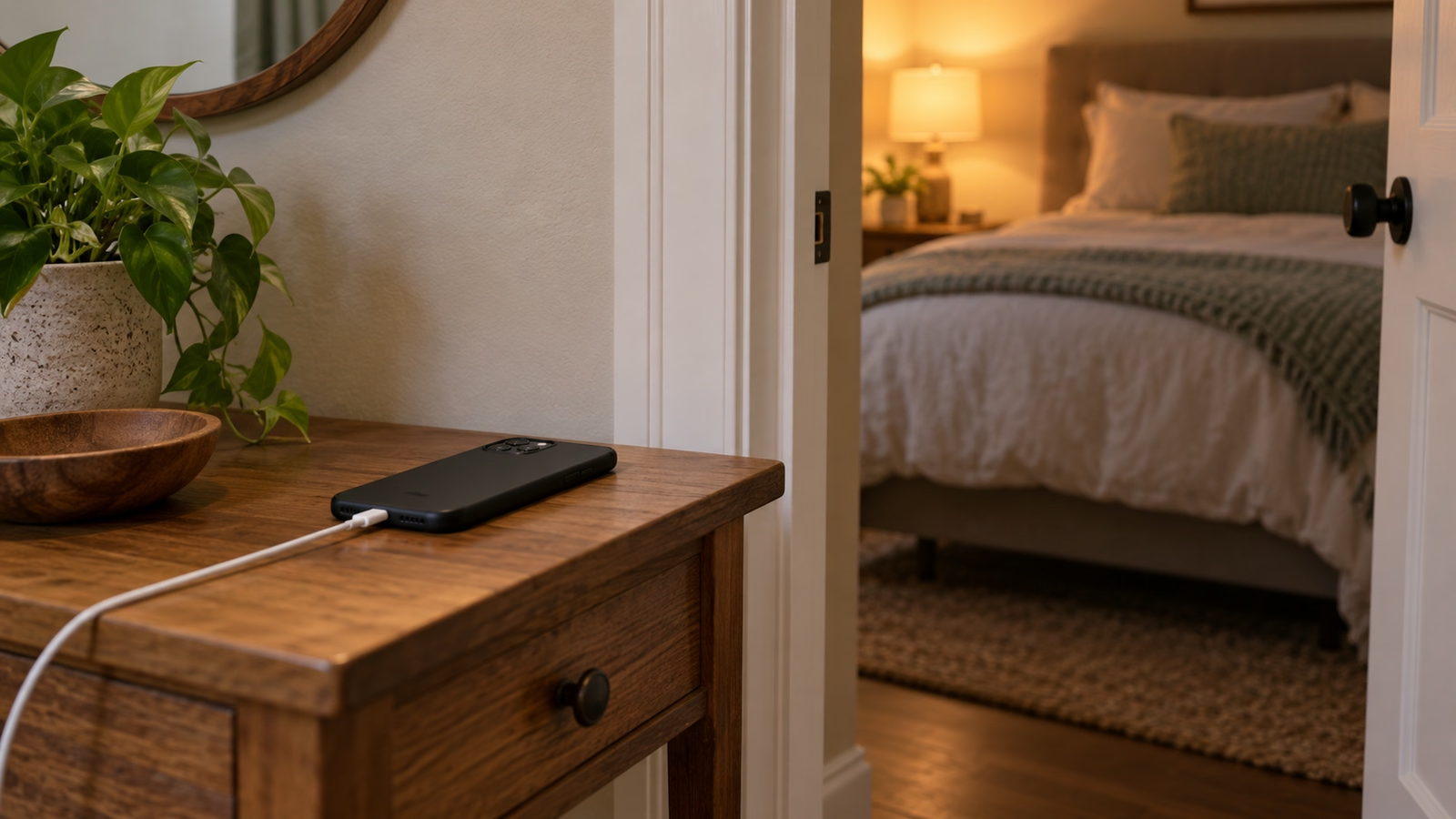
- Remove one obstacle between stopping and bed. Prepare tomorrow’s bag earlier, move a nonurgent chore, or choose a place to park your phone. Keep it reachable if you need it for caregiving, accessibility, or urgent contact.
For a night that runs late, use the short version: finish the necessary task, do the essential bedtime preparations, and leave the optional extras. I like an ending that feels possible when you’re tired; an elaborate ritual can become one more reason to put it off.
Look for a workable pattern, not a perfect streak
Notice whether bedtime procrastination is happening less often and whether you have enough opportunity to sleep. The CDC recommends at least seven hours for adults ages 18–60, with age-specific guidance for older adults, and emphasizes sleep quality as well as duration. Time in bed and time asleep are not identical.
- Keep the review brief. Note your intended bedtime, when you actually began getting ready, and what delayed you. You’re looking for a repeated obstacle, not collecting evidence against yourself.
- Adjust the plan to the evidence. If chores keep pushing personal time late, move or share one task where possible. If leisure regularly spills past its ending, choose a smaller portion or a different stopping cue.
- Recognize limits that require support. If your schedule leaves no reasonable room for both rest and essential responsibilities, the problem may need a conversation about workload or help, rather than a stricter reminder.
- Seek care for persistent sleep problems. CDC advises speaking with a healthcare provider if you regularly have difficulty sleeping. Significant daytime sleepiness or trouble sleeping after you’re in bed should not be dismissed as a willpower issue.
One late evening doesn’t erase what you learned about bedtime procrastination. Return to the next workable choice. If the November clock change is also affecting your plans, our fall-back sleep guide covers that separate scheduling adjustment.
Sources
- Kroese and colleagues: Bedtime Procrastination, Original Research
- Cleveland Clinic: Revenge Bedtime Procrastination
- CDC: About Sleep

Hi, I’m Sara Tancradi, the author behind Zenypath. I write about everyday wellness, mindful living, and small habits that make room for a little more calm. My approach is practical and gentle: explore what’s useful, stay curious, and find routines that fit your life. Through clear explanations and approachable ideas, I hope to make caring for yourself feel less overwhelming—and a little more enjoyable.