
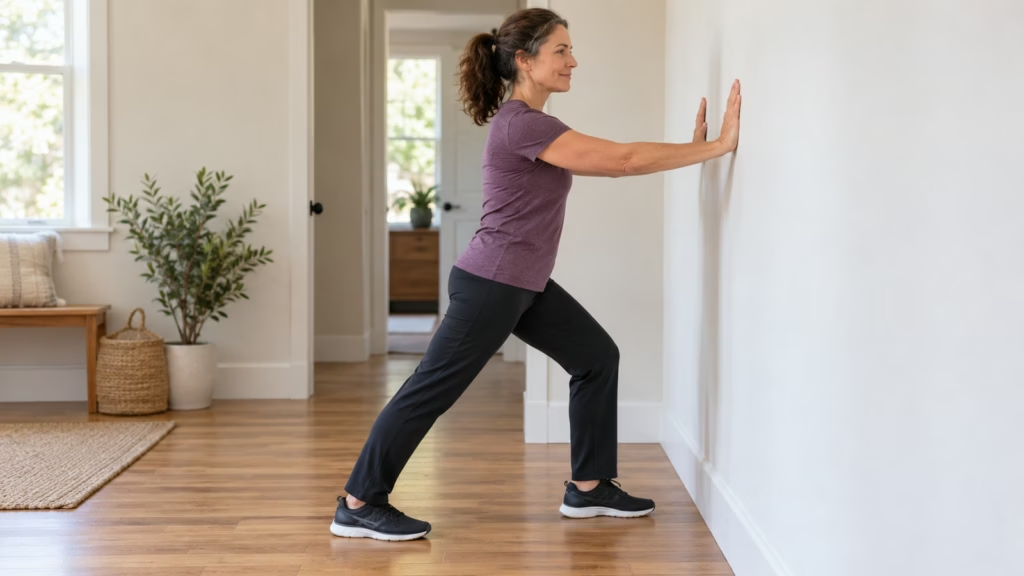
The instructor reaches farther, the stretch looks deeper, and you wonder whether your smaller movement counts. A stretching routine does not need to copy someone else’s range. Choose movements that suit you, prepare with appropriate light activity, and stay within a comfortable stretch without forcing pain or competing with the demonstration.
Use the demonstration to understand the movement, then let your own comfort set the range.
Begin a stretching routine with a little preparation
Mayo Clinic advises warming up with five to ten minutes of low-intensity activity before stretching, or stretching after exercise when muscles are warm. A held stretch is not the same thing as a warm-up. Choose preparation that is appropriate for your abilities and existing care advice.
I would make the setup simple enough that you can pay attention to the movement itself. Check the floor, the support you need, and the instructions before starting a timer. An awkward room arrangement does not become helpful just because the video is soothing.
- Choose a clear space: leave enough room to move without hitting furniture or stepping onto loose objects.
- Use appropriate support: a wall or suitable stable chair may be part of a particular movement. Follow its instructions rather than improvising a precarious position.
- Read the movement first: understand the starting position and which part of the body moves before trying to follow along.
- Leave the comparison aside: the demonstrator’s range is not evidence about the range that is appropriate for you.
For health concerns, an injury, or uncertainty about suitable stretching, ask a qualified professional. A general stretching routine cannot determine which movements fit your individual situation.
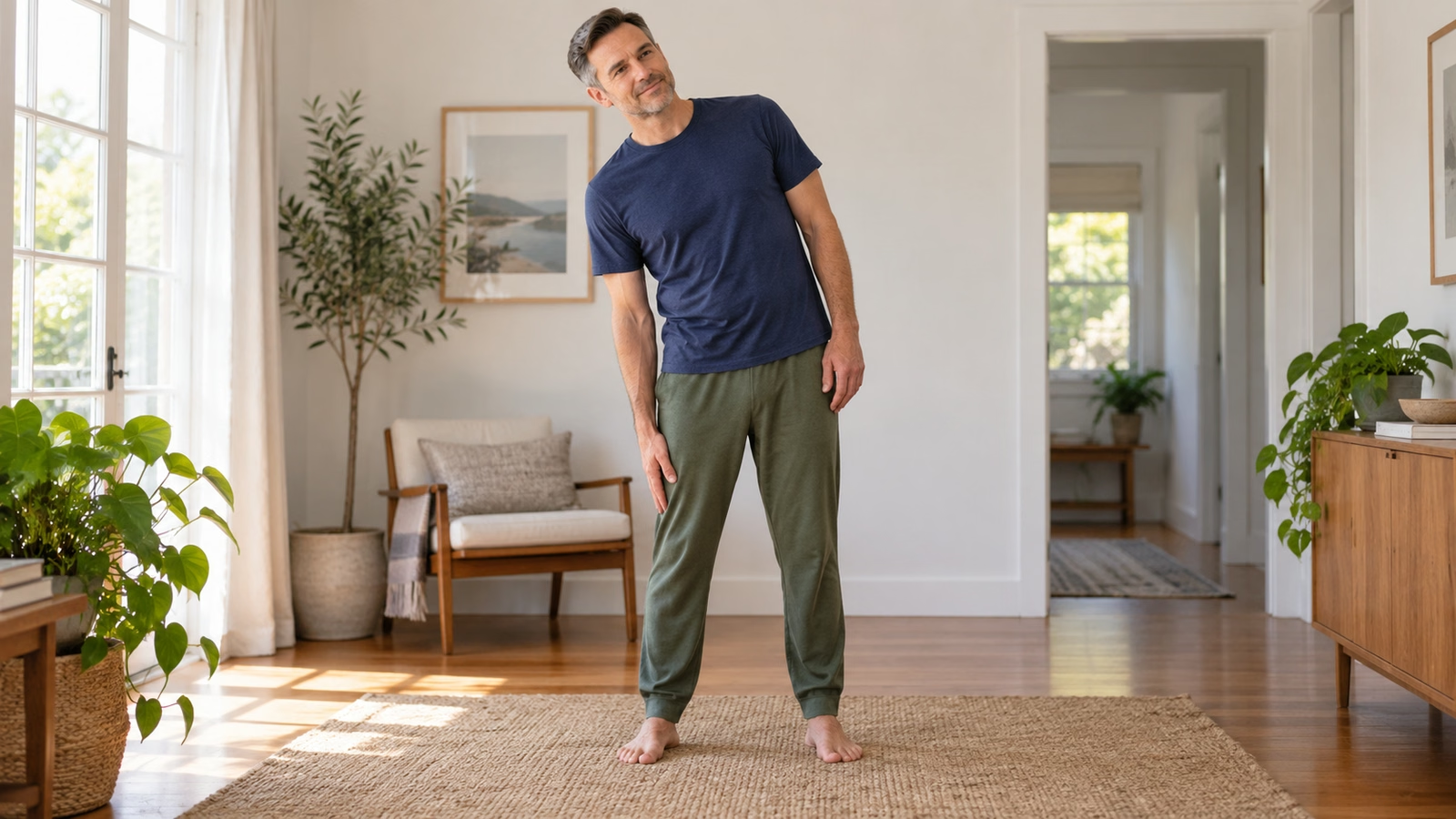
Three gentle options, with different starting positions
The NHS’s illustrated guides provide these options. They are not a mandatory sequence or a complete whole-body program; choose only suitable movements and read the linked instructions. Keep the motion controlled and adapt the plan with professional guidance when needed.
- Standing calf stretch: the NHS flexibility guide uses hands against a wall, one knee bent forward, and the other leg straight behind with both feet flat. Keep the back heel down, then change sides; the guide suggests three on each side.
- Small sideways bend: stand with feet hip-width apart and arms at your sides, then slide one hand down your side as far as comfortable. The NHS suggests a two-second hold and three on each side.
- Seated chest stretch: the NHS sitting guide uses an upright position away from the chair back, shoulders back and down, and arms extended to the sides. Gently lift the chest until a stretch is felt; it suggests five to ten seconds, repeated five times.
Follow the instructions for the specific movement instead of imposing one hold time on every exercise. Different guides include different kinds of movement. The right question is whether you understand and can comfortably perform the selected option, not whether you held everything for the longest possible time.
Use a few technique checks instead of chasing depth
Mayo Clinic’s guidance is to move smoothly, avoid bouncing, breathe normally, and expect tension rather than pain. If a stretch hurts, you have pushed too far. A stretching routine can stay useful without a dramatic end position or a photo-ready reach.
| Check | What to look for |
|---|---|
| Movement | A smooth, controlled change in position; no bouncing to push farther. |
| Breathing | Ordinary breathing rather than holding your breath to endure the position. |
| Range | A comfortable stretch rather than pain or a forced reach. |
| Support | The wall or chair position required by the chosen exercise, with stable contact. |
| Instructions | The specific movement's timing and repetitions, adjusted to personal advice. |
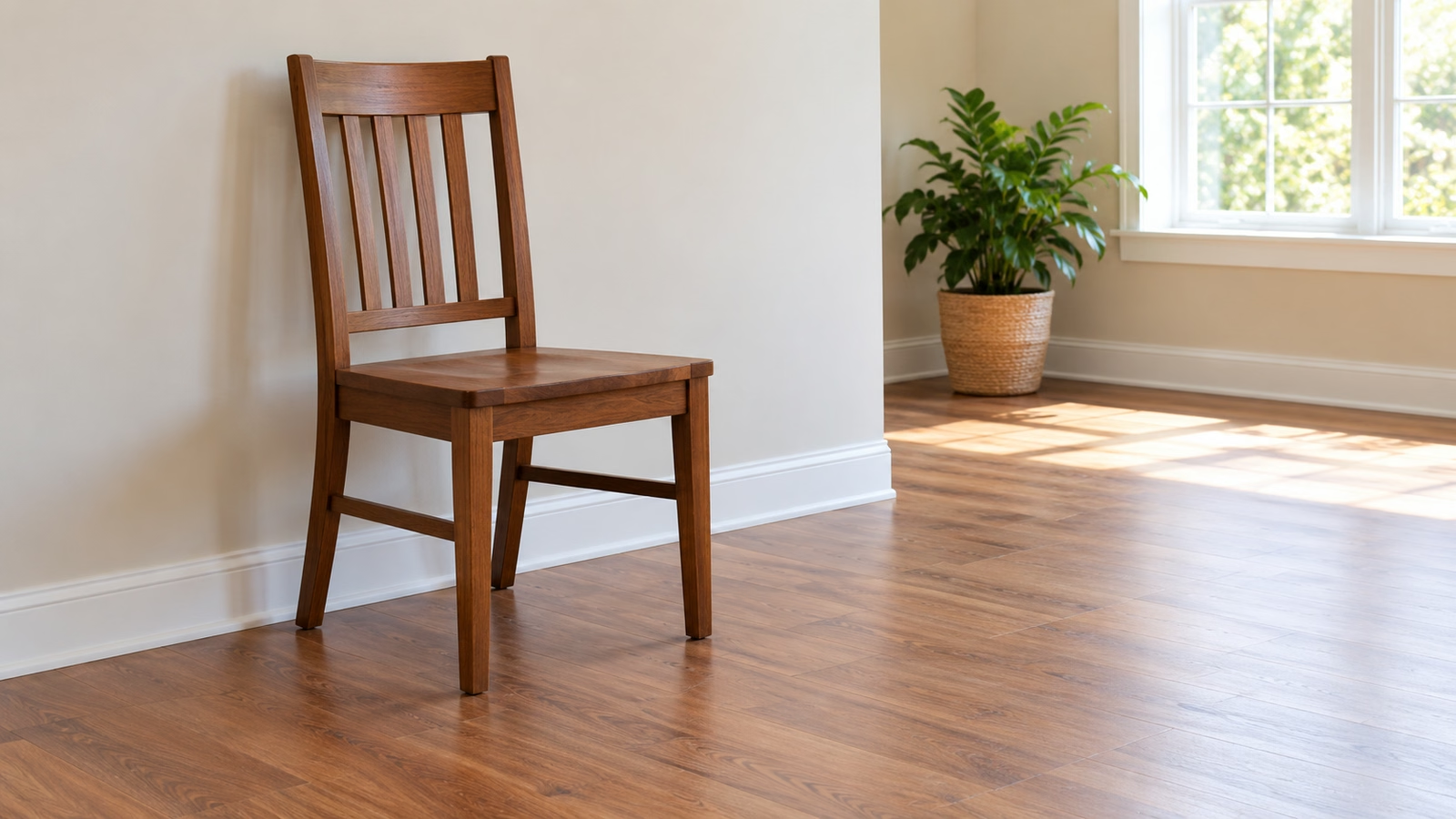
For the seated option, use a solid chair that fits the NHS instructions. These chair-exercise setup checks can help you think through the space. My preference would be to stop and sort out a confusing position rather than keep moving simply to finish the video.
Keep the promise realistic and the habit manageable
Stretching can help improve flexibility and joint range of motion, but it is not a guarantee against injury or soreness. Mayo Clinic notes mixed findings on some benefits and warns that stretching does not prevent an overuse injury. More intensity is not a shortcut around those limits.
Place a suitable stretching routine where it can fit without taking over the day. A handful of understood movements may be more manageable than a long sequence you rush through. Regular practice matters more than turning one session into a test of maximum reach.
- Choose a repeatable opportunity: after appropriate activity may be convenient, provided the movements and timing suit you. Avoid adding a lengthy routine when you need to leave.
- Keep sides in view: follow instructions for both sides when appropriate. Do not force one side to match the other by pushing through discomfort.
- Seek help for persistent problems: pain, an injury, or uncertainty about a movement deserves individualized advice from a healthcare professional or physiotherapist.
- Avoid turning stretching into everything: flexibility is one part of activity. It does not replace appropriate aerobic exercise, strengthening, or a prescribed care plan.
A smaller comfortable movement is a reasonable place to begin. Let the stretching routine support the activity you want to do, with enough room to pause, adjust, or ask for help.
Sources

Hi, I’m Sara Tancradi, the author behind Zenypath. I write about everyday wellness, mindful living, and small habits that make room for a little more calm. My approach is practical and gentle: explore what’s useful, stay curious, and find routines that fit your life. Through clear explanations and approachable ideas, I hope to make caring for yourself feel less overwhelming—and a little more enjoyable.