
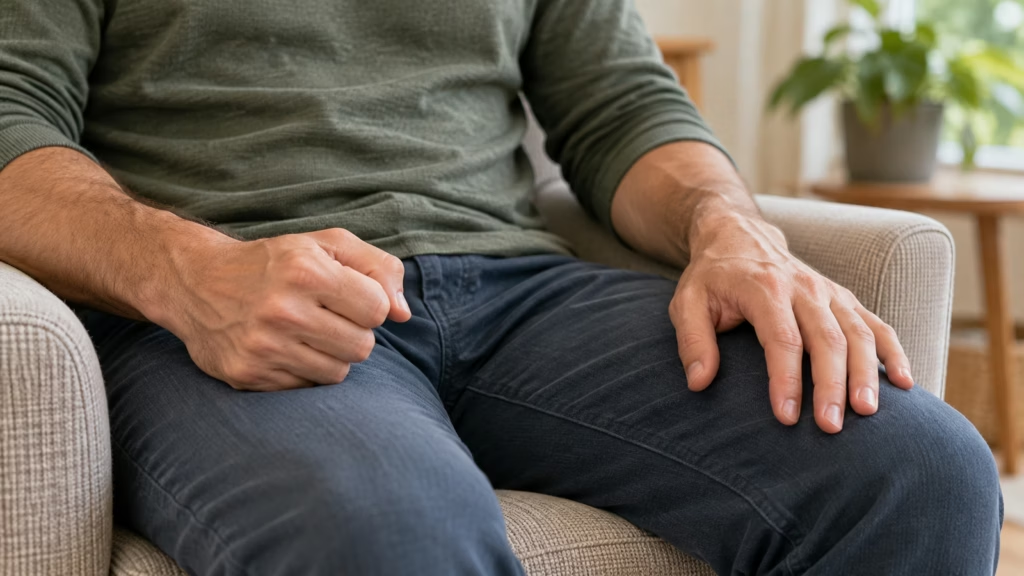
You finish an ordinary task and notice your hands are still curled tightly around nothing. Progressive muscle relaxation uses a deliberate contrast: briefly tense a muscle group, then release it and notice the difference. Keep the effort comfortable, keep breathing, and stop if it hurts. The point is awareness and a possible pause from tension, not the strongest squeeze you can manage.
The useful part is noticing the release, not proving how much tension you can create.
Understand what progressive muscle relaxation asks of you
Often shortened to PMR, the practice works through muscle groups in sequence. NCCIH describes it as tensing muscles and then releasing the tension. It is different from stretching for range of motion and from exercise designed to make muscles work harder.
I would approach it as learning to recognize a contrast. You may notice that the hands feel softer after opening, or you may find the sensation subtle. Neither requires adding more force to make the exercise impressive.
- Tension is brief: you deliberately tighten an area, then let it go. Staying braced for the whole practice misses the release.
- Attention is specific: notice the area you just released instead of scanning for a dramatic whole-body change.
- Progressive means sequential: a longer session moves through different areas. It does not mean each squeeze becomes stronger.
- Results are not a promise: relaxation practices may be useful for some people, but they should not replace care for a health condition.
There is no need to frame this as a nervous-system reset or a cure for stress. A modest description is more useful: you are trying a structured way to notice and release muscle tension.
Settle in and try a small hand example
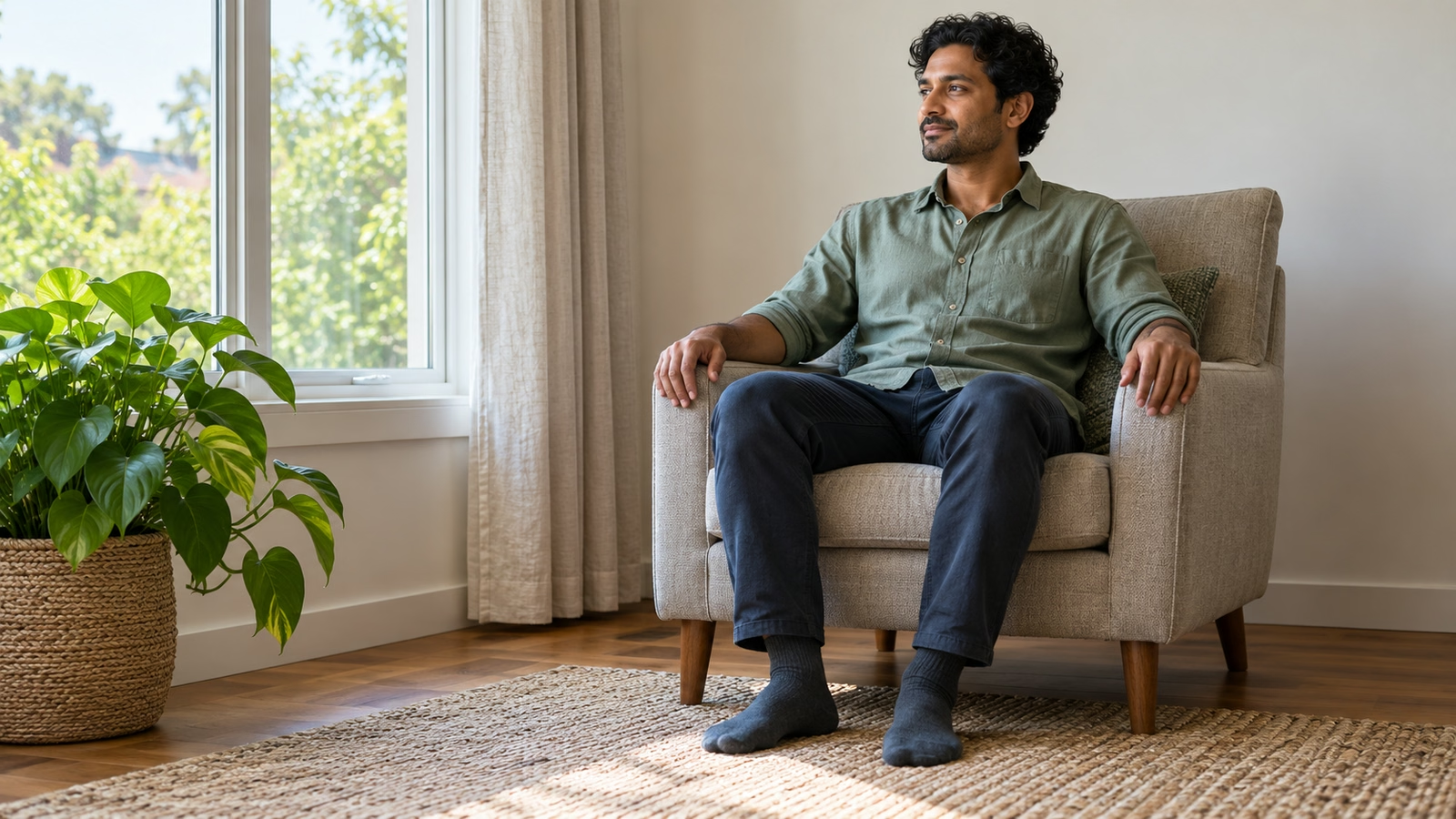
Choose a comfortable supported chair or suitable lying position. A quiet setting helps you follow the steps, but no special soundtrack is required. Put down anything you are holding and make sure you are not driving, cooking, or responsible for another safety-critical task.
The VA Whole Health handout describes roughly five seconds of tension followed by release. The hand example below is a small introduction to that contrast, not its full body sequence or an individualized treatment plan.
- Rest your hands comfortably. Notice their position before changing anything. If hands are painful or injured, skip this example and ask for guidance.
- Make a gentle fist. Hold comfortable tension for about five seconds while continuing to breathe. Do not squeeze to the point of pain or cramp.
- Open and release. Let the fingers rest naturally and spend a few moments noticing how the hand feels after letting go.
- Compare without grading. If the contrast is slight, that is information, not a reason to clamp harder. Stop if the practice is uncomfortable.
I’d begin with an area that feels comfortable and easy to understand rather than trying to memorize every muscle group. For a longer sequence, use a qualified guide or the linked handout with appropriate personal advice.
Adapt the practice before adding more effort
The VA advises talking with your healthcare team first if you have serious injuries, chronic pain, or a history of muscle spasms. It also describes progressive relaxation without deliberate tensing: focus on softening each area instead. More effort is not automatically a better choice.
Different guides use different sequences and timings. Pick one suitable, reputable guide rather than combining the hardest instructions from several videos. Do not improvise forceful movements of your neck, back, or jaw to make a short practice feel complete.
- If tensing causes pain: stop. Ask about an appropriate no-tensing version instead of pushing through.
- If you catch yourself holding your breath: release the tension and resume ordinary breathing. The VA specifically advises not holding the breath during the practice.
- If counting is distracting: use a guided version you can comfortably follow. Approximate timing should not become another source of strain.
- If body attention increases distress: pause and choose another focus. NCCIH notes that relaxation practices occasionally bring increased anxiety or intrusive thoughts.
Our grounding-techniques guide includes options that focus on ordinary details in the room. Choosing an alternative is part of finding suitable support; it does not mean you were poor at relaxing.
Make room for practice and the real source of tension
A predictable pause can make the steps easier to remember. You might try a suitable session after closing your laptop or before a quiet evening activity. Keep it separate from a situation in which you need to stay fully attentive to traffic, equipment, or another person’s safety.
I would judge the routine by whether it is comfortable and practical, not by whether a demanding day suddenly feels wonderful. Persistent tension may still need changes to workload, posture, care, or circumstances. A relaxation exercise cannot negotiate those changes for you.
- Use a recognizable cue: choose an existing quiet moment instead of adding a complicated new schedule.
- Leave room to finish: sit normally, notice the room, and move at a comfortable pace before returning to activity.
- Keep wider support: meals, sleep, movement, and social support still deserve attention. PMR does not make an overloaded week sustainable by itself.
- Get advice for ongoing symptoms: persistent pain, anxiety, or difficulty managing daily life warrants qualified support rather than endlessly repeating a self-help exercise.
If you prefer a practice centered on gentle breathing, our breathing-exercises guide offers another starting point. Let progressive muscle relaxation earn its place through comfort and usefulness, with the release doing more of the work than the squeeze.
Sources
- VA Whole Health: Progressive Muscle Relaxation and Progressive Relaxation
- NCCIH: Relaxation Techniques, Evidence and Safety

Hi, I’m Sara Tancradi, the author behind Zenypath. I write about everyday wellness, mindful living, and small habits that make room for a little more calm. My approach is practical and gentle: explore what’s useful, stay curious, and find routines that fit your life. Through clear explanations and approachable ideas, I hope to make caring for yourself feel less overwhelming—and a little more enjoyable.