
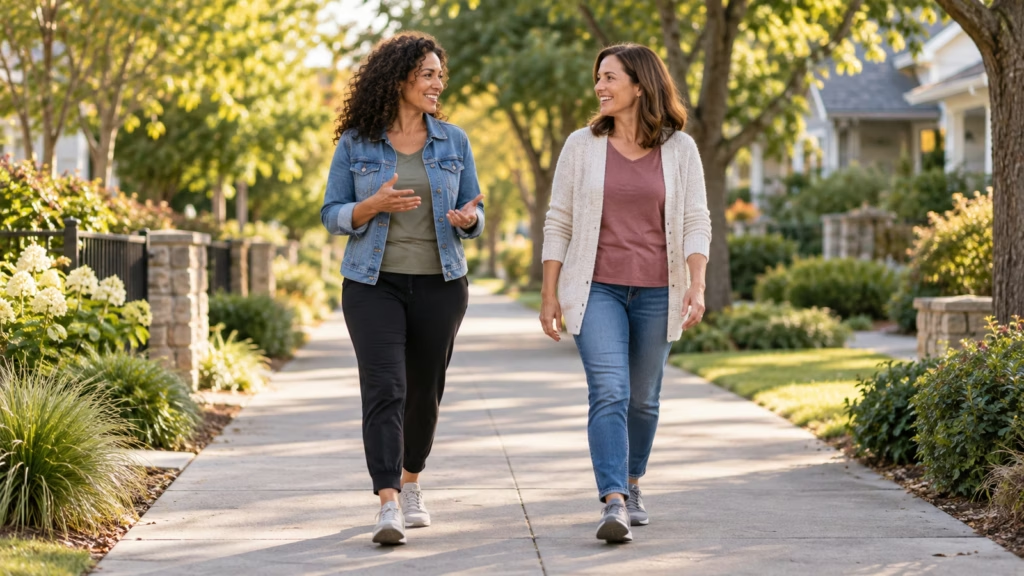
Dinner is finished, the dishes can wait a moment, and a familiar route is just outside the door. Walking after meals can be a practical way to fit movement into the day. Keep it comfortable and suitable for you; it does not need a strict timer, a demanding pace, or a promise to erase what you ate.
Let the meal be a reminder to move, not a reason to compensate for eating.
What research on walking after meals really tells us
A 2023 systematic review in Sports Medicine found that exercise after eating reduced short-term rises in blood glucose compared with exercise before meals or no exercise. Blood glucose means the sugar circulating in the blood; ‘postprandial’ simply means after a meal.
The review included eight small randomized crossover trials involving 116 participants, with and without type 2 diabetes. The authors rated the trials at high risk of bias. That is useful context for a promising finding, and a reason to keep claims modest.
- It studied an immediate response: a change in glucose after a meal is not a guarantee about long-term health, weight, or how you will feel.
- Timing mattered in the analysis: activity sooner after eating appeared more effective for that glucose outcome. This does not provide a universal minute-by-minute instruction for every reader.
- The activity details varied: do not turn a particular number of walking minutes into a guaranteed result for everyone.
- Personal care still comes first: walking after meals cannot replace prescribed treatment or an individualized diabetes plan.
I would treat the research as one reason the habit may be worth considering, rather than a reason to scrutinize every meal. You do not need a glucose target to enjoy an ordinary walk.
Use four steps to make the walk easier to begin
Start with a meal that leaves a realistic gap afterward. It could be lunch on a less crowded day or dinner when someone else can cover the next task. A habit that fits one situation is more useful than a plan that assumes every meal comes with free time.
- Choose one opportunity. Decide which meal could act as your reminder. You do not have to begin with breakfast, lunch, and dinner all at once.
- Pick a familiar route. A short, level option near home can be simpler than a destination that requires driving or an ambitious loop. Make returning easy if you need to stop.
- Keep the first attempt manageable. For example, a comfortable five-minute outing may fit an ordinary day. That is a planning example, not a researched minimum or a promise about blood sugar.
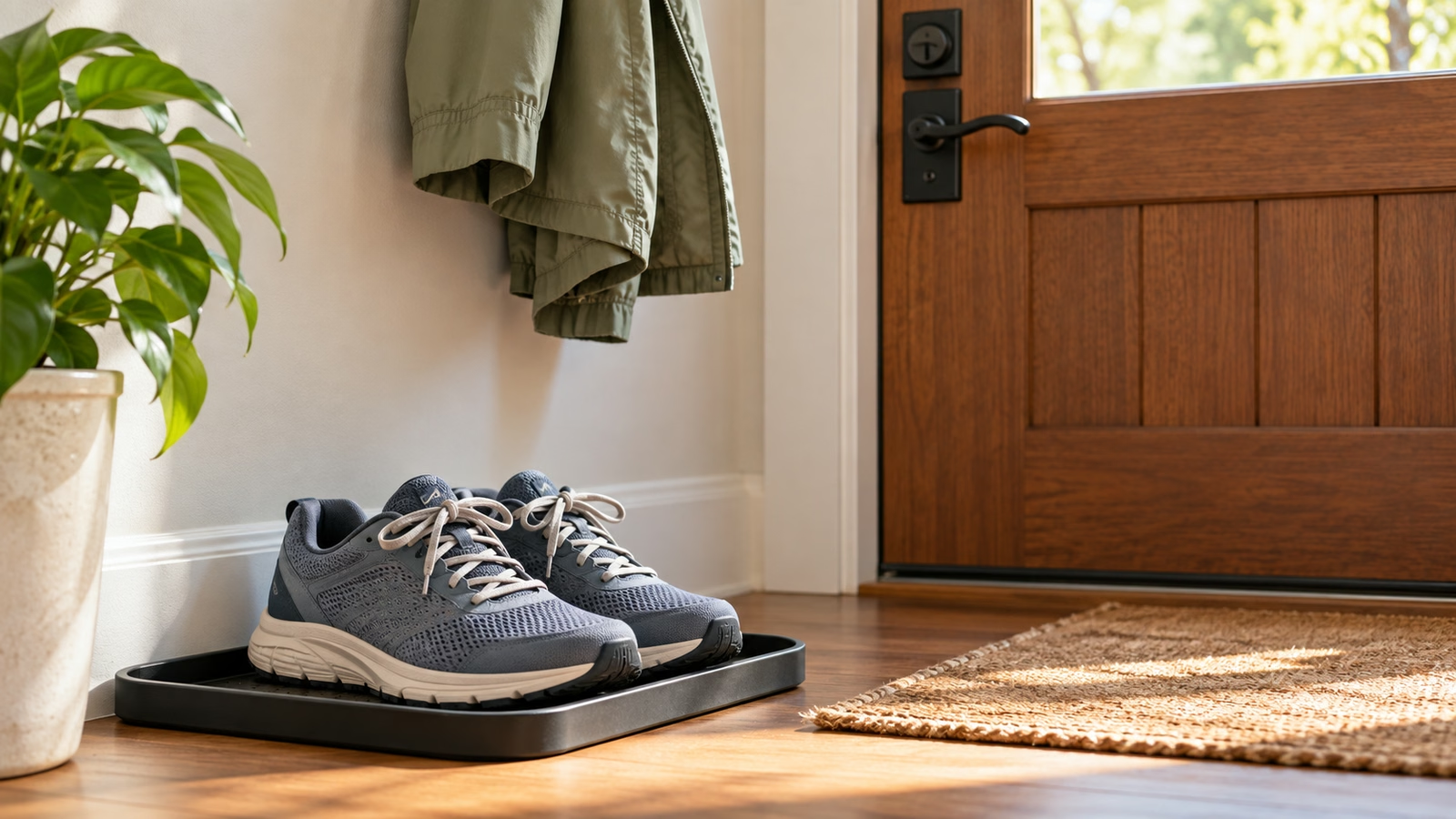
- Prepare one useful detail. Have suitable shoes ready, check the weather, or arrange the timing with a walking companion. Remove a practical obstacle instead of adding another app to manage.
For guidance on effort, this walking-pace guide explains the talk test. My preference for a new after-meal habit is a route you can repeat comfortably, with no pressure to turn the first few outings into speed tests.
Let the setting and your comfort shape the choice
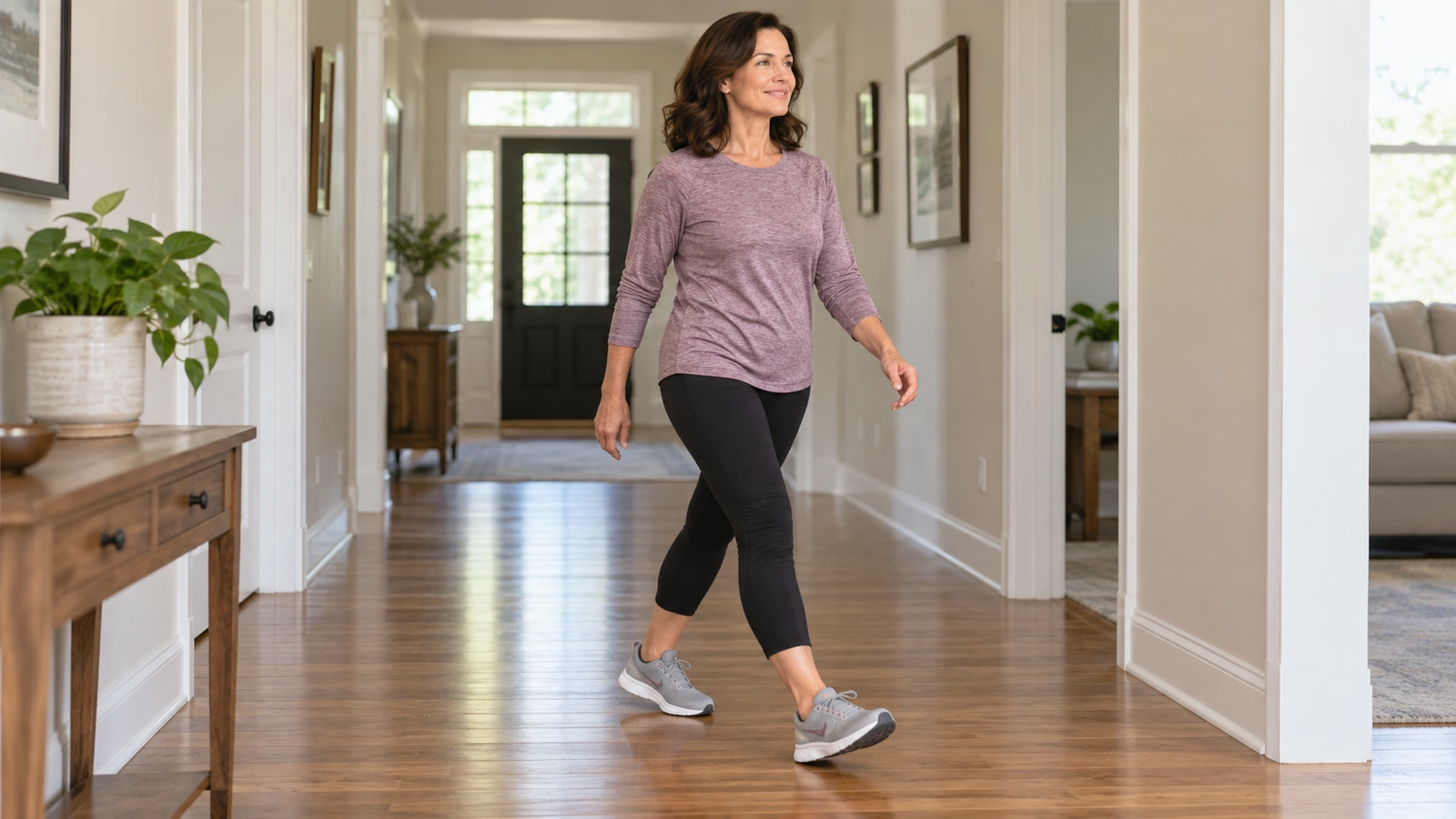
Walking after meals does not have to happen outdoors. Darkness, weather, traffic, mobility needs, and caring responsibilities all affect what is workable. Keep the option appropriate to your surroundings and follow any activity advice you already receive.
- If outdoor conditions are unsuitable: use a safe, clear indoor route when available. These indoor walking options may help you think through the setup.
- If the meal leaves you uncomfortable: avoid forcing a brisk session or a fixed start time. Make the activity gentler, choose another suitable opportunity, or skip it.
- If you have limited mobility: discuss appropriate movement with a qualified professional. Walking is one option, not a requirement everyone must meet.
- If someone joins you: agree on a route and effort that suit both people. Company should not quietly change a comfortable walk into a pace you cannot manage.
The CDC recommends at least 150 minutes of moderate-intensity activity a week for adults, plus strengthening on at least two days. A gentle stroll is not automatically moderate intensity, and walking after meals is only one possible part of a broader activity routine.
Keep expectations ordinary and diabetes guidance individual
You do not need to earn dinner with a walk, and a missed outing does not create a debt to repay. Look at the habit as an opportunity that may fit the day, while keeping food, rest, and other responsibilities in view.
If you have diabetes, NIDDK advises discussing safe physical activity with your healthcare professional. Activity can lower glucose, and insulin or certain diabetes medicines can increase the risk of low blood glucose. Ask how timing, monitoring, food, and your existing treatment plan should work together.
- Follow your personal plan: do not adjust medication on the strength of a general walking article. Use the instructions agreed with your care team.
- Notice suitability: stop or adapt activity that feels inappropriate for you, and seek guidance for concerning symptoms or uncertainty about safe exercise.
- Review the practical habit: is the route enjoyable, does it fit the evening, and can you repeat it without pressure? Those are useful questions even without a tracker.
- Keep other options available: if walking after meals does not fit, movement at another suitable time can still belong in your week.
A workable habit has room for ordinary life. Choose a comfortable opportunity, keep the evidence in proportion, and let the walk stay a walk.
Sources
- Sports Medicine: Systematic Review of Exercise Before and After Meals
- CDC: Adult Activity, an Overview
- NIDDK: Healthy Living With Diabetes

Hi, I’m Sara Tancradi, the author behind Zenypath. I write about everyday wellness, mindful living, and small habits that make room for a little more calm. My approach is practical and gentle: explore what’s useful, stay curious, and find routines that fit your life. Through clear explanations and approachable ideas, I hope to make caring for yourself feel less overwhelming—and a little more enjoyable.