

Your eyes keep drifting away from the page, and the sofa looks unusually persuasive. A short nap may help an afternoon slump, especially if you keep it brief and leave yourself time to wake up. For adults on a daytime schedule, around 20 minutes or less is a sensible starting point, not a promise that everyone will wake feeling wonderful.
A useful nap fits between the sleep you need tonight and the things you must do safely after waking.
Start with what you need from a short nap
There is a difference between feeling sleepy enough to doze and feeling drained by a demanding day. A nap can temporarily improve alertness; it cannot solve an overloaded schedule or replace adequate main sleep. NIOSH describes brief naps as a temporary aid, not a substitute for a regular longer sleep period.
I’d first ask whether sleep is the missing ingredient. Sometimes the answer is yes. Sometimes you need lunch, a quieter room, a pause from a screen, or help with a problem that has followed you through the morning.
- You are genuinely drowsy: a planned brief nap may be worth trying if the setting is safe and you have enough time afterward.
- You are restless but wide awake: choose a quiet break or easy movement instead of making yourself perform sleep.
- You have been cutting nights short: protect a fuller sleep opportunity tonight. A nap is a stopgap, not a way to make short nights sustainable.
- You keep nodding off without meaning to: treat that as a reason to seek advice, especially if it affects work or driving.
Keep the length modest and the timing early
The National Heart, Lung, and Blood Institute recommends adults nap for no more than 20 minutes. It also advises limiting naps or moving them earlier in the afternoon if falling asleep at night is difficult. That makes a short nap a reasonable experiment for an occasional dip, rather than an obligation.
I would choose an early-afternoon opening over the tempting hour on the sofa just before dinner. If you work nights, this daytime-schedule advice may not fit; planned naps and your main sleep need to work around your shift.
| Your situation | A useful starting choice |
|---|---|
| A normal daytime schedule, occasional slump | Try a brief early-afternoon nap |
| Bedtime has been getting harder | Skip the nap or move it earlier; notice the effect |
| Only a tiny break before a safety-critical task | Do not squeeze in sleep without a wake-up buffer |
| Night shifts or a prescribed sleep plan | Use guidance tailored to your schedule or treatment |
Set an alarm before settling down. You cannot know the exact moment you will fall asleep, so avoid turning the timer into a precision contest. If you spend the whole break trying, get up when it ends rather than repeatedly extending it.
Make room for waking up, not just falling asleep
That thick, fuzzy feeling after waking has a name: sleep inertia. It can temporarily slow thinking and reaction time. NIOSH advises allowing it to pass before critical tasks; its duration varies, and being sleep-deprived can make the problem worse.
- Choose a safe place. A comfortable chair or sofa in a quiet room is enough. Do not nap while you are responsible for an unattended child, cooking food, or operating equipment.
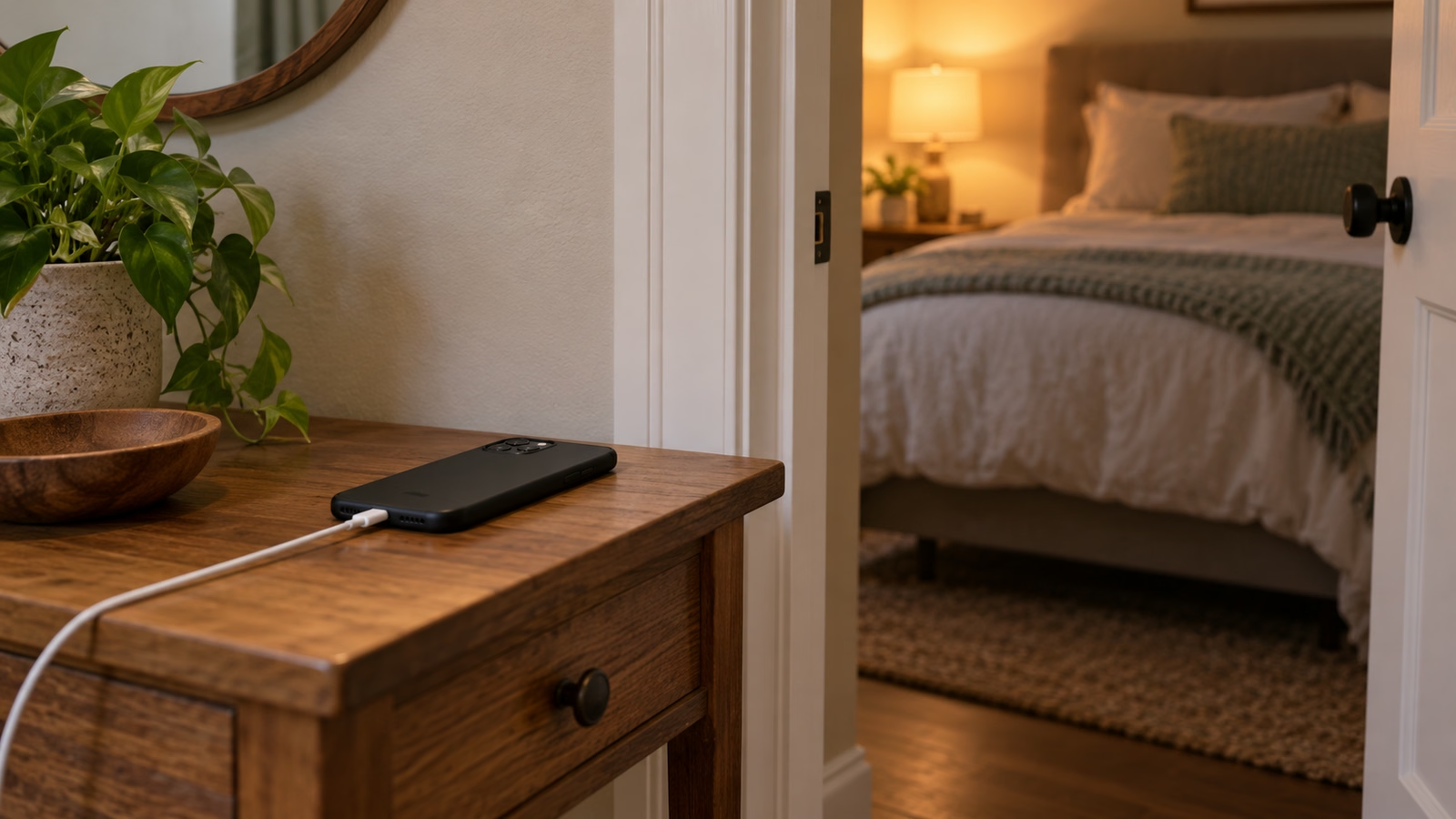
- Reduce interruptions. Dim distracting light and silence optional notifications while leaving essential alerts available. Keep the alarm audible; if your phone is outside the room, use another alarm.
- Leave a transition. Sit up, get your bearings, and allow time to feel fully alert. Do not schedule your wake-up alarm for the exact moment you must drive.
- Reassess before doing anything risky. A timer ending does not establish that you are safe to drive. If you remain drowsy, postpone driving and arrange another option.
You do not need a special drink to qualify for a nap. If caffeine is part of your afternoon, consider the separate effect it can have on bedtime; our guide to when to stop drinking caffeine explains that decision.
Notice whether the nap is helping the whole day
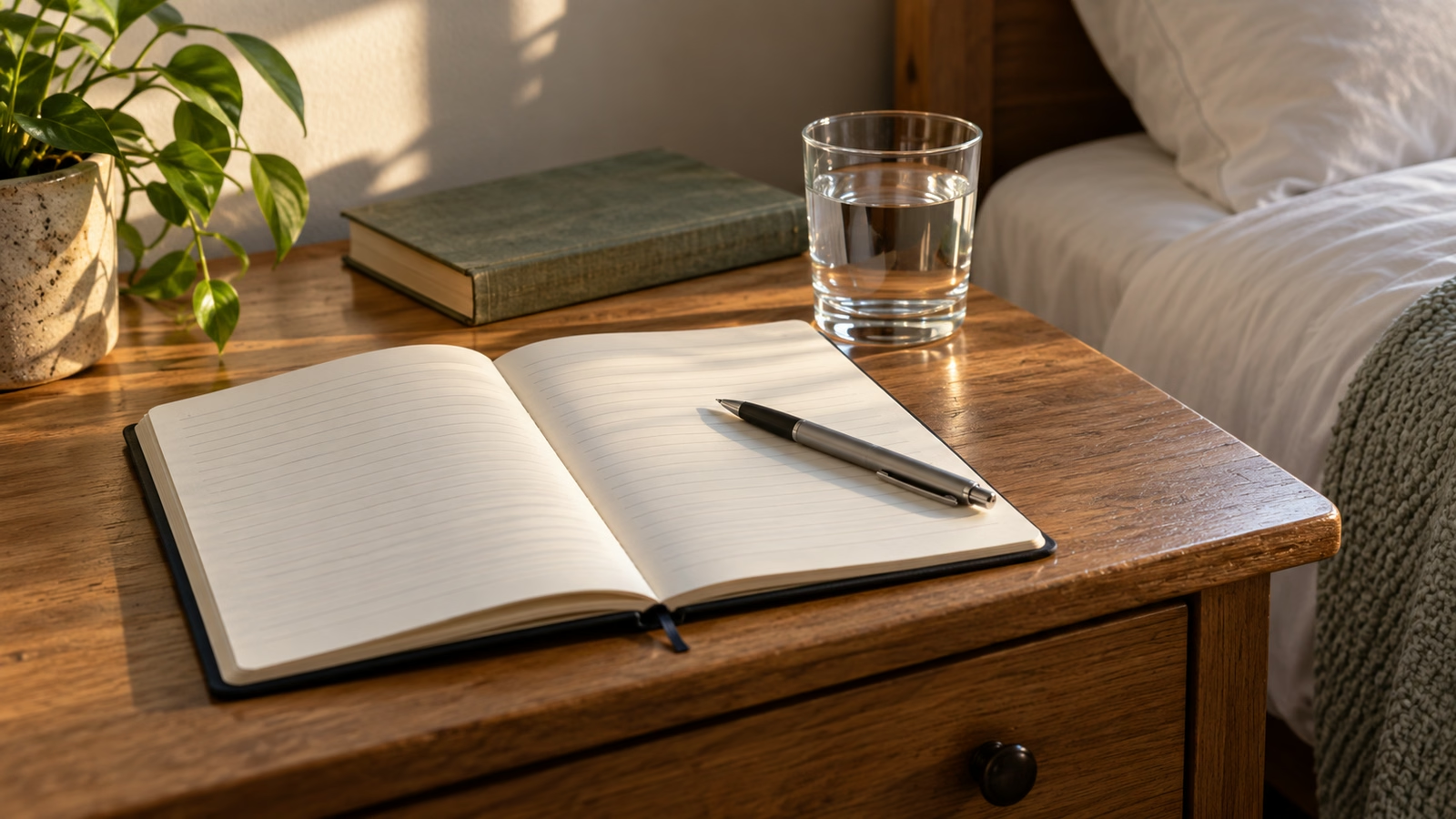
A short nap earns its place by being useful, not by being fashionable. Over a few ordinary days, jot down when you rested, whether you woke groggy, and whether bedtime felt harder. A few notes are plenty; there is no need to award your afternoon a sleep score.
- Keep it if: you feel more alert afterward and your usual nighttime sleep remains comfortable.
- Adjust or skip it if: you repeatedly wake miserable, the nap stretches into the evening, or you are less sleepy at bedtime.
- Ask for help if: you often fall asleep during the day or sleepiness affects your life. Mention snoring, gasping, medications, and your actual sleep schedule to a clinician.
The NHS distinguishes excessive daytime sleepiness from ordinary tiredness and recommends medical advice when frequent daytime sleep or sleepiness affects daily life. I would not keep lengthening a nap to work around that pattern. Finding out why you are so sleepy matters more than perfecting the sofa routine.
Sources
- NHLBI: Healthy Sleep Habits
- CDC/NIOSH: Napping as a Fatigue Countermeasure
- CDC/NIOSH: Sleep Inertia
- NHS: Excessive Daytime Sleepiness

Hi, I’m Sara Tancradi, the author behind Zenypath. I write about everyday wellness, mindful living, and small habits that make room for a little more calm. My approach is practical and gentle: explore what’s useful, stay curious, and find routines that fit your life. Through clear explanations and approachable ideas, I hope to make caring for yourself feel less overwhelming—and a little more enjoyable.