
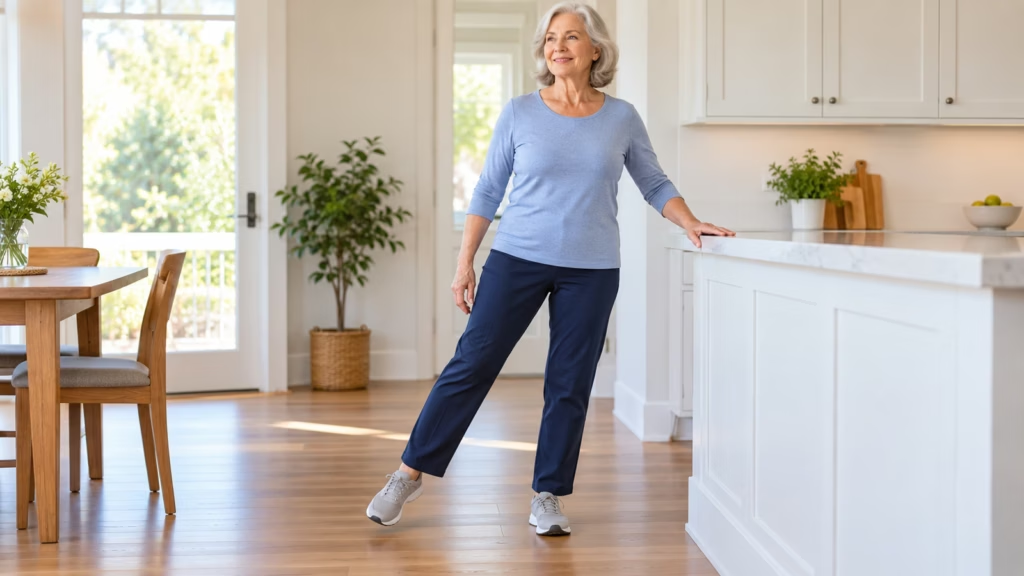
You find a balance video, but the first move asks you to stand on one leg in the middle of the room. Balance exercises can start with a more practical question: what secure support is within reach? Choose a suitable standing or stepping practice, keep the floor clear, and prioritize controlled movement. If you are unsteady or have fallen, get individual guidance before trying a new routine alone.
Support can help you practice a skill; removing it is not the first goal.
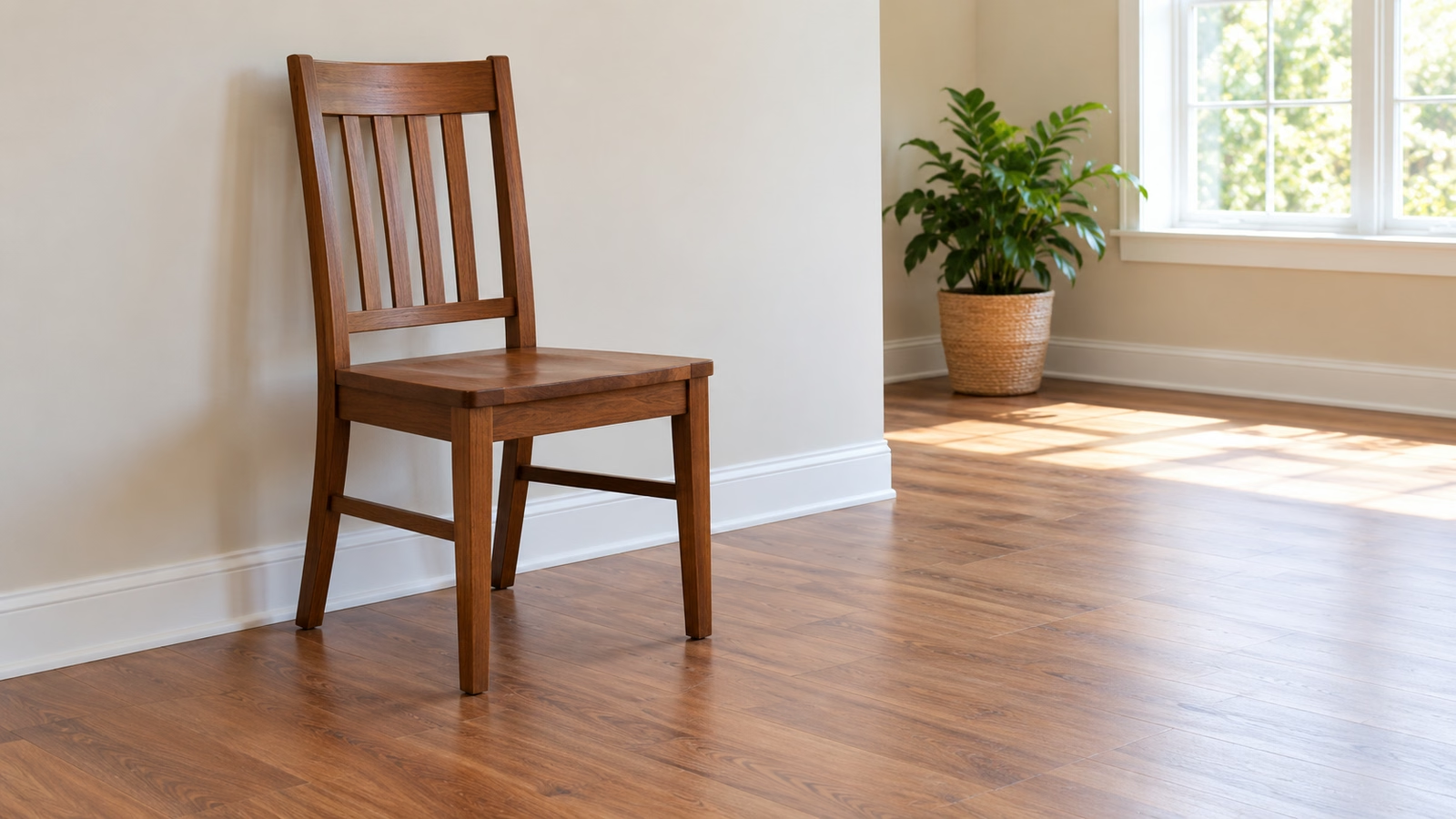
Set up balance exercises before beginning the movement
The NHS balance-exercise guide recommends working near a wall or stable chair. For standing exercises, the South Tees Falls Team also emphasizes stable support such as a kitchen worktop. A rolling office chair or a piece of furniture that slides is a different proposition.
I would spend the first minute on the setup rather than the exercise count. Check that you can comfortably reach the support and that the space lets you move without negotiating a rug, trailing cable, pet, or narrow gap.
- Clear the floor: remove loose obstacles from the practice area. Avoid slippery surfaces and keep the lighting adequate.
- Check the support: use a secure surface you can reach without leaning or stretching. Do not assume a lightweight chair will hold you steady.
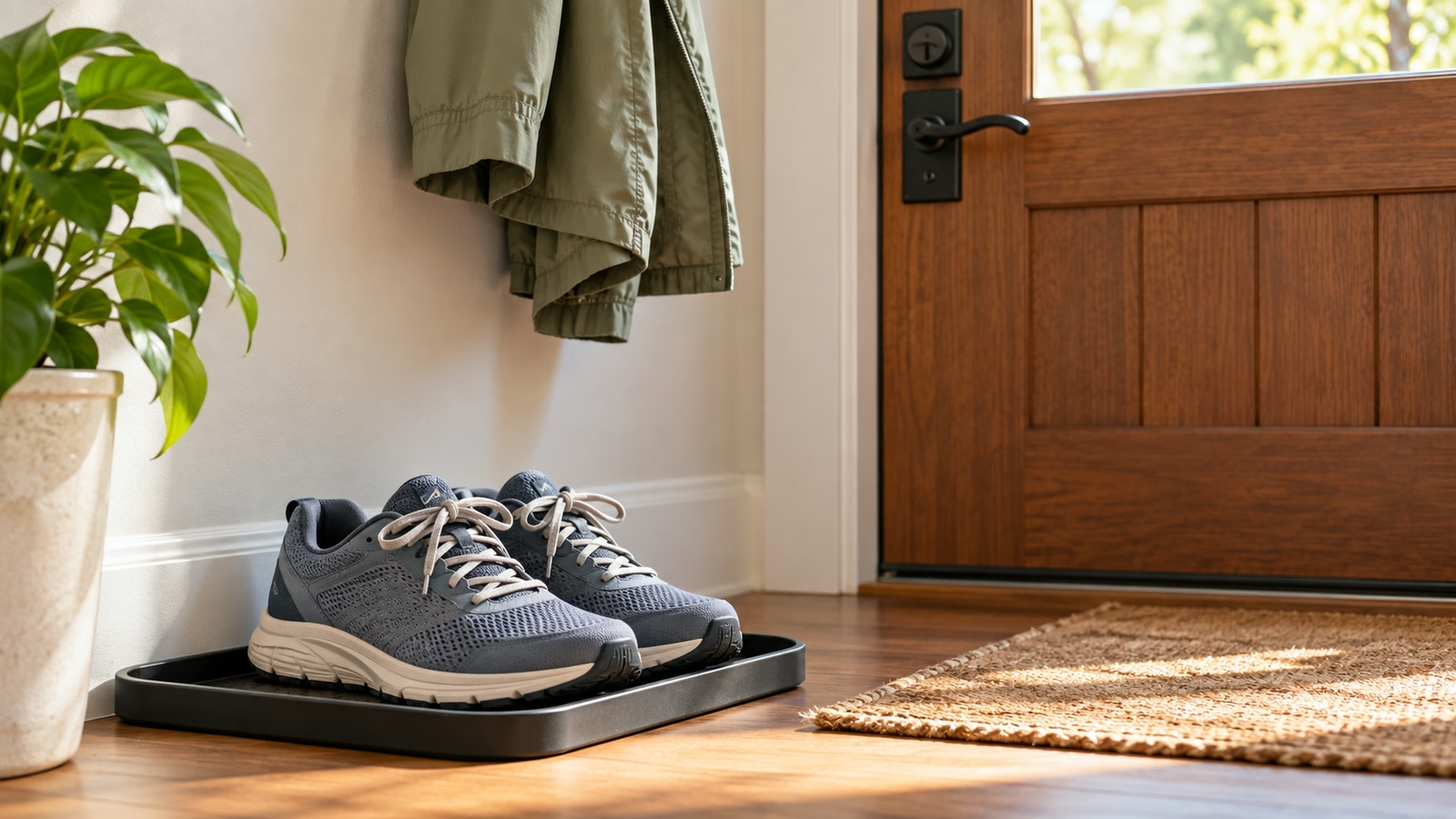
- Choose suitable footwear: wear shoes that feel secure and appropriate for the surface. Loose slippers are not a useful extra balance challenge.
- Keep a rest option: have a stable place to sit nearby, outside the stepping path.
- Use prescribed help: keep any recommended walking aid or assistance. Ask your physiotherapist how to adapt the exercise rather than setting it aside.
If standing already feels unsafe, this article is not a reason to try harder. A professional can assess what is appropriate, including supported or seated work when needed.
Consider two simple stepping examples
The NHS guide includes sideways walking and heel-to-toe walking. These examples are options for people who can do them safely, not a test everyone should attempt. Read the linked instructions and keep support available; a personalized programme takes priority over a general example.
- Sideways walking: begin with feet together and knees slightly bent. Take one slow step to the side, then bring the other foot to join it. Keep the hips level and the feet uncrossed; the NHS describes ten steps each way or a suitable room-length route.
- Heel-to-toe walking: stand upright and place one heel just in front of the other foot’s toes, then alternate. Look ahead. The NHS suggests at least five steps, with fingers against a wall for stability when needed.
Start with less if that is what you can control comfortably; do not force the stated number. You can stop before a turn or reset your position with support. I’d favor a small, tidy movement over a longer sequence that leaves you scrambling to regain balance.
These are balance tasks, not brisk-walking targets. Speed and distance are beside the point. Do not add backward walking, crossed steps, closed eyes, or an unstable surface simply because the first version feels easy.
Build consistency before increasing difficulty
Keep the first practice straightforward enough to repeat in the same safe place. You might set aside a suitable quiet moment when you are rested and do not need to hurry. A clear cue helps you remember, while a crowded schedule can make a careful exercise unnecessarily rushed.
With balance exercises, progress is more useful when it means controlled movement. It does not have to mean letting go of the support sooner. If a clinician has given you a programme, ask which change should come next rather than altering several parts yourself.
- Change one thing at a time: build a comfortable number of repetitions before considering more difficulty, following the relevant guidance.
- Notice quality: are the steps slow, the posture manageable, and the support easy to reach? Repeated grabs or near-falls mean the task needs reassessment.
- Keep notes plain: record the exercise and how it felt if helpful. A note saying ‘needed more support’ is useful information, not a disappointing score.
- Stop for symptoms: pain, dizziness, chest discomfort, or unusual breathlessness are reasons to stop and get appropriate medical advice. Do not continue to finish a set.
Seek help for new or worsening unsteadiness, repeated falls, or fear of falling that changes your usual activities. The right next step may be an assessment, not a harder balance video.
Keep balance within a broader movement and safety plan
For adults aged 65 and older, the CDC recommends a weekly mix of aerobic, muscle-strengthening, and balance activities. Balance exercises have their own role; a walk does not make every other part unnecessary. Choose amounts and activities that fit your abilities and health needs.
I would treat a general routine as a starting conversation, particularly after a fall. Fall risk can involve more than practice: the home environment, vision, medicines, and health concerns may all need review. No single exercise guarantees that a fall will not happen.
- For overall activity: combine suitable movement types instead of trying to make one exercise do everything. Our beginner strength guide explains a separate part of that picture.
- For home safety: CDC’s falls-prevention guidance recommends reducing trip hazards and improving lighting, alongside appropriate activity.
- For a tailored plan: ask a clinician or physiotherapist which exercises, support, and frequency suit you. Follow an existing rehabilitation plan as given.
The useful goal is steadier, appropriate practice in a safe setting. Keep support within reach and let control, not unnecessary risk, guide the next step.
Sources
- NHS: Balance Exercises
- South Tees Hospitals: Individualized Strength and Balance Programme
- CDC: Older Adult Activity Overview
- CDC: Older Adult Fall Prevention
Hi, I’m Sara Tancradi, the author behind Zenypath. I write about everyday wellness, mindful living, and small habits that make room for a little more calm. My approach is practical and gentle: explore what’s useful, stay curious, and find routines that fit your life. Through clear explanations and approachable ideas, I hope to make caring for yourself feel less overwhelming—and a little more enjoyable.