
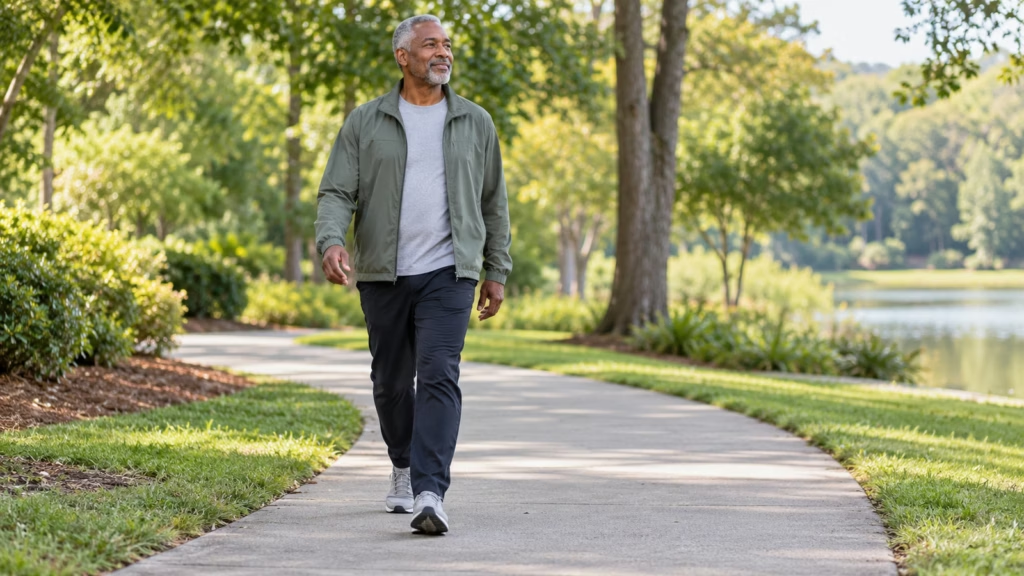
The shoes are on, the door is open, and the first hill is already asking for effort. A walking warm-up does not need a separate workout: before a planned brisk walk, begin with slower, easier walking for about five to ten minutes. Let effort increase gradually, and leave room to slow down at the end instead of rushing straight from the path to your next task.
The easy beginning is part of your walk, not a delay before the useful part.
Keep the walking warm-up close to the activity
A warm-up gives a planned exercise session a gradual start. Mayo Clinic recommends slow walking for five to ten minutes before a brisk walk. That is useful because the preparation uses the movement you are about to do, at a lower effort.
I would choose an easy opening stretch of the route rather than a complicated set of exercises you must remember beside the front door. The warm-up should not leave you worn out before the walk begins.
| Part of the outing | Its practical role |
|---|---|
| Easy opening walk | Gradually move into the planned activity |
| Main walking section | Use an effort suited to your plan and ability |
| Easy closing walk | Gradually reduce effort before stopping |
| Optional stretching | Work on flexibility when muscles are warm; a separate purpose |
Mayo Clinic also notes that evidence about preventing injuries through warming up and cooling down remains debated. Keep the claim modest: this is a way to ease into activity, not a guarantee that you will never feel sore or get injured.
Choose a route that gives you a gentler start
Look at the first few minutes, not only the total distance. A steep climb immediately outside the door may make it difficult to start easily. If a level option is available, use it first; if it is not, choose a pace and outing that fit the actual conditions rather than forcing the plan.
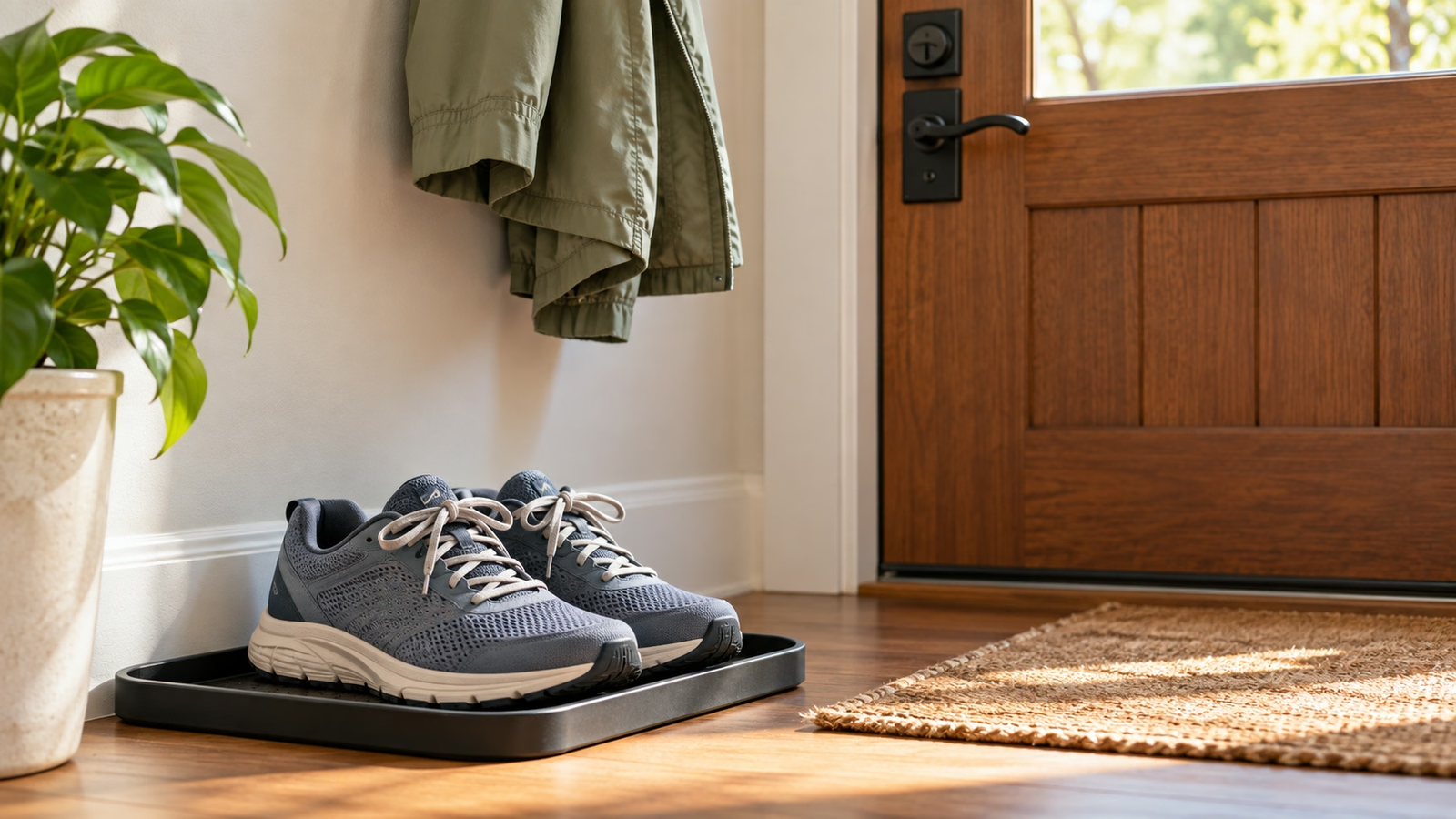
Mayo Clinic’s walking guide recommends suitable shoes and checking the route for hazards. Preparation also includes the ordinary things that stop a pleasant walk becoming an awkward one: a secure lace, a clear path, and enough time to get home.
- Check the basics before moving. Wear comfortable suitable footwear, secure loose laces, and choose clothing appropriate for the weather and visibility.
- Begin at an easy effort. Start with comfortable steps. You do not have to match the pace you hope to use later from the first corner.
- Build gradually if it feels suitable. Let the opening walking become a little more purposeful rather than making one sudden jump in speed.
- Reconsider the outing when needed. If the easy part already feels unusually difficult, do not treat the warm-up as permission to push harder.
For a modest outing, I would rather shorten the main section than remove all the breathing room around it. The route can be a small loop close to home; it does not need to become an expedition to justify putting on shoes.
Leave an easy finish in the plan
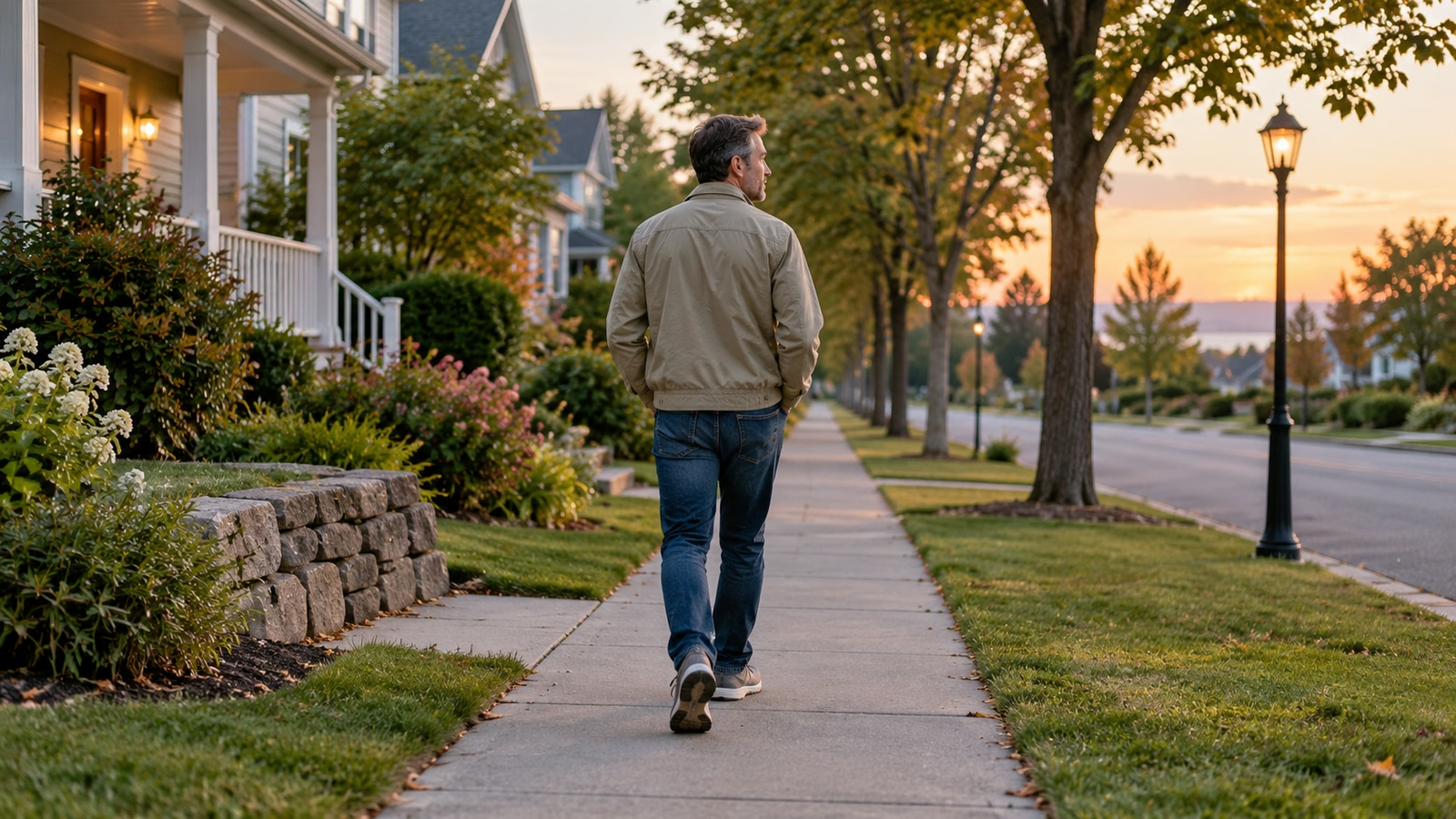
A cool-down is the same idea in reverse: keep walking, but reduce the effort. The American Heart Association suggests slowing walking for five to ten minutes so the transition out of exercise is gradual. Plan that time before you set out.
- Turn back with time remaining: do not spend the entire available break on the brisk part and sprint the last block to make an appointment.
- Use an easier final stretch: a manageable level section can make slowing down simpler than finishing on a steep hill.
- Let pace decrease: the ending is not the place to chase a personal best or add one last demanding interval.
- Separate stopping from symptom management: a planned cool-down is for an ordinary exercise finish. Concerning symptoms are a reason to stop and seek help, not keep walking to complete a timer.
If you include stretching, Mayo Clinic recommends doing it when muscles are warm, after warming up or cooling down. Stretching is optional within this simple walking plan; avoid painful or forced movements and use individual advice when needed.
Adjust the plan to the walk you are actually taking
A planned brisk session and a short easy stroll are different demands. If today’s outing is already gentle from beginning to end, you do not need to manufacture a harder middle just to give the warm-up a purpose. Stay within appropriate activity guidance for your circumstances.
I would keep the focus on effort and comfort rather than a watch’s average pace. Our walking-pace guide explains the talk test for choosing intensity; the easier opening and ending need not compete with the main section’s pace.
- For beginners: start with an amount of walking you can manage comfortably and build gradually. A general article is not a complete training prescription.
- For indoor walking: use a clear level space and the same gradual approach if planning a brisk session. Our indoor-walking options cover practical routes.
- For existing health or mobility needs: follow your clinician’s or physiotherapist’s advice about suitable activity and support.
- For concerning symptoms: stop for chest pain or pressure, unusual shortness of breath, or lightheadedness and seek medical help. Severe or persistent symptoms require urgent attention.
The AHA advises gradual progression and medical evaluation for heart-related symptoms during exercise. A walking warm-up should make the plan more workable, while leaving you free to change or stop it.
Sources
- Mayo Clinic: How to Warm Up and Cool Down
- Mayo Clinic: Walking
- American Heart Association: Warm Up, Cool Down
- AHA: Gradually Increasing Exercise Intensity and Symptom Safety

Hi, I’m Sara Tancradi, the author behind Zenypath. I write about everyday wellness, mindful living, and small habits that make room for a little more calm. My approach is practical and gentle: explore what’s useful, stay curious, and find routines that fit your life. Through clear explanations and approachable ideas, I hope to make caring for yourself feel less overwhelming—and a little more enjoyable.