
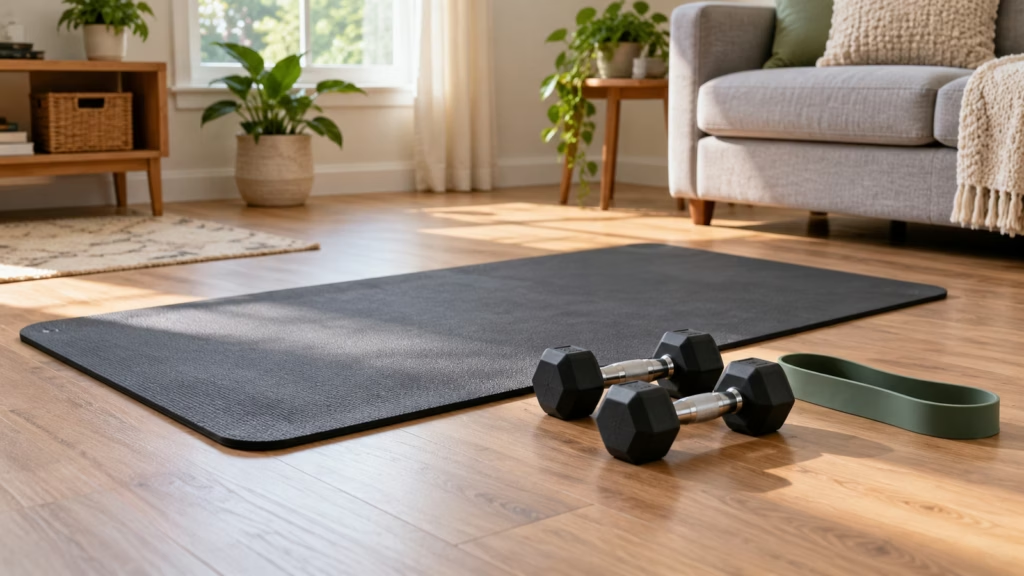
It’s easy to spend more time comparing equipment than deciding what to practice. Strength training at home for beginners can start with a simpler sequence: choose appropriate movements, learn their technique, and build regular sessions around your abilities. Bodyweight, resistance bands, and weights can all have a place. You do not need to buy every option, and you do not need to turn the first session into a test of how exhausted you can get.
Choose a starting point you can learn well and return to, then make it more demanding gradually.
Strength training at home for beginners: choose your tools
The American College of Sports Medicine’s 2026 guidance emphasizes consistent participation and individual needs over unnecessary complexity for healthy adults. Its review supports home-based training using options such as bodyweight and elastic bands. That is a reason to choose a workable setup, not a promise that every exercise or program suits everyone.
| Option | What makes it useful | What to plan for |
|---|---|---|
| Bodyweight | Can begin without buying weights | Choose a suitable version of each movement and safe support where needed |
| Resistance bands | Compact and convenient to store | Inspect the band and follow its setup and anchoring instructions |
| Dumbbells or other suitable weights | A clear way to adjust external resistance | Choose a manageable load and a clear place to use and store it |
My first choice would be the option you can use confidently in the space you have. In strength training at home for beginners, a convenient setup is valuable only if the movement and resistance are appropriate; ‘no equipment’ does not automatically mean every bodyweight exercise is easy.
Learn a movement before building a whole routine around it
Use a trustworthy demonstration rather than guessing from a photograph. The NHS strength-exercise guide provides illustrated steps for several home movements. Its examples below offer places to learn; they are not, by themselves, a complete program covering every major muscle group.
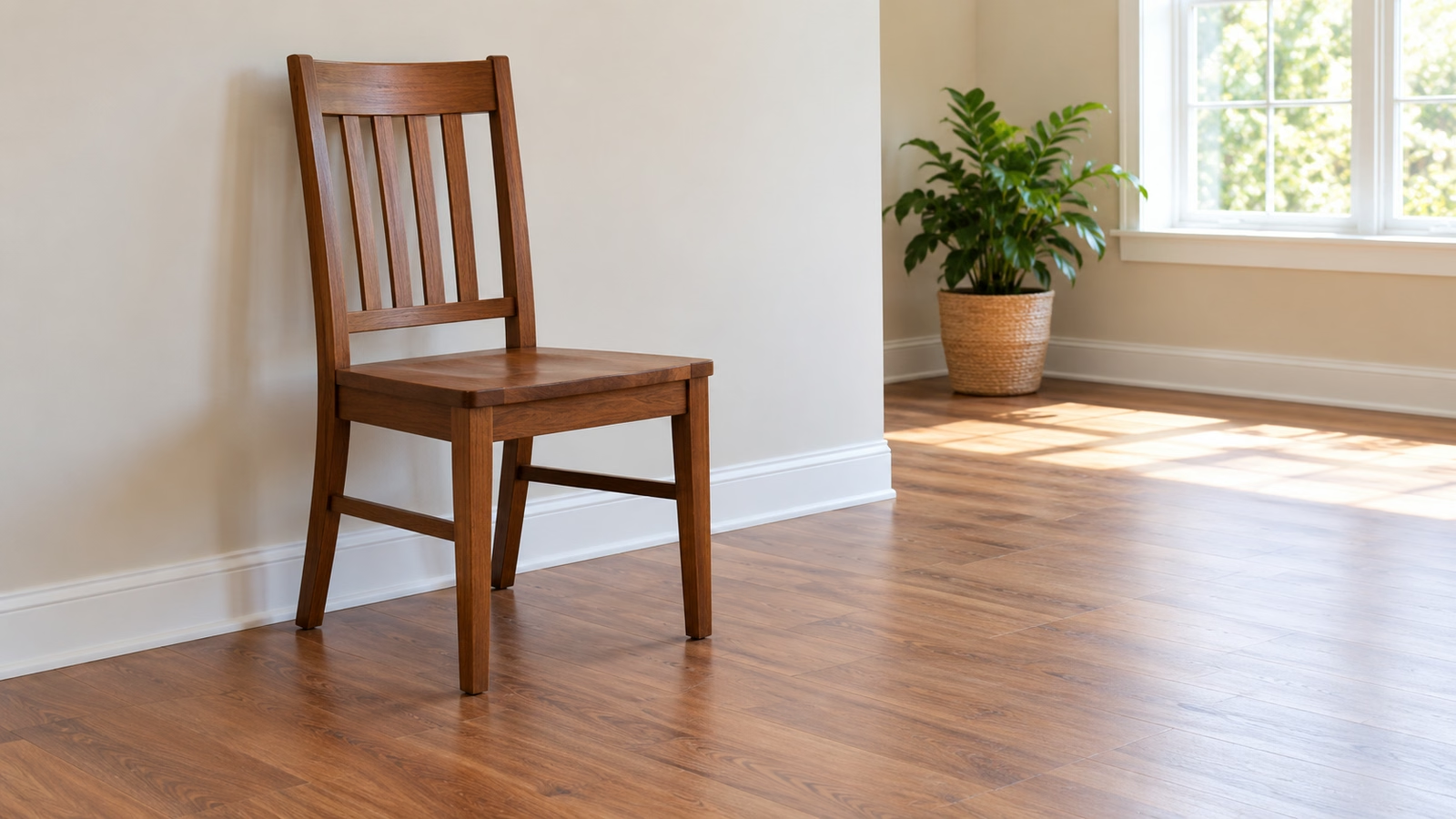
- Sit-to-stand: read the NHS sequence for rising from a chair and returning slowly. Use a solid, stable chair without wheels that will not slide, and a height that lets your feet rest flat on the floor.
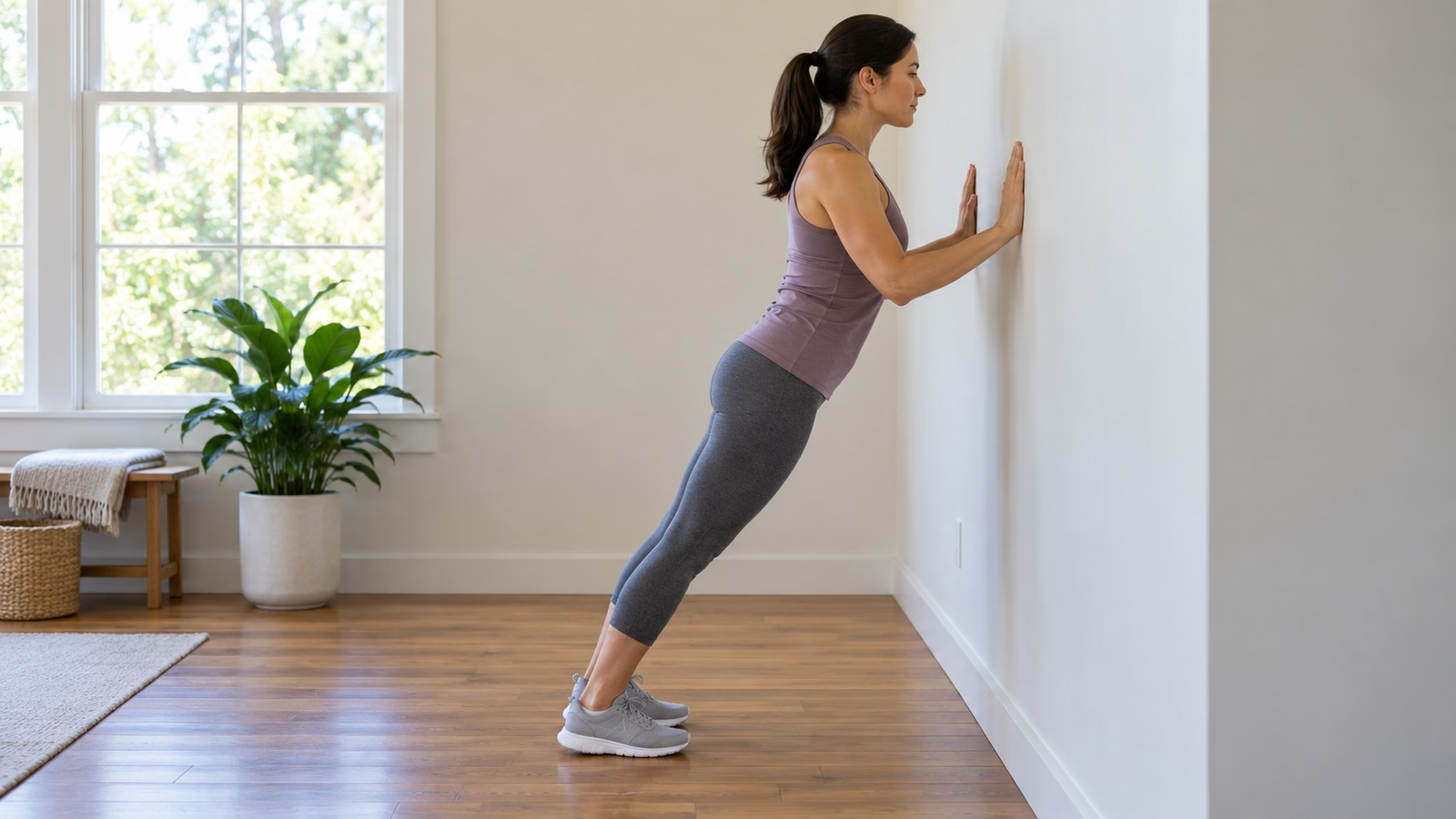
- Wall press-up: review the hand placement, body position, and controlled movement in the demonstration. Begin with a version you can manage instead of assuming a floor push-up is the necessary starting point.
- Light biceps curl: the NHS guide shows a slow lift and lower while keeping the arms by your sides. This is an example of one movement, not a substitute for training the rest of the body.
If you are unsure about technique, a qualified exercise professional can help select movements and check your form. Seek individual guidance when a health condition, injury, pain, or balance concern changes what you can safely do. A generic article cannot make that assessment for you.
Give practice a realistic place in the week
For strength training at home for beginners, scheduling and exercise selection belong together. CDC recommends muscle-strengthening activities on at least two days a week that work the legs, hips, back, abdomen, chest, shoulders, and arms. A balanced plan therefore needs more thought than repeating whichever exercise happens to feel most familiar.
- Choose realistic opportunities. Look at your ordinary week and decide when you can practice without rushing. Your starting amount and progression should fit your current abilities, not somebody else’s online schedule.
- Prepare the space. Clear the floor, check equipment, and make sure you have room to move. Follow manufacturers’ instructions for bands or weights rather than improvising an uncertain attachment or support.
- Keep a short record. Note the movements, resistance, and repetitions you actually used. That gives you a useful reference for the next session instead of relying on how dramatic the workout felt.
- Keep other movement in the picture. Strength work and aerobic activity have different roles in adult activity guidance. Our indoor walking guide offers options when you want a separate walking plan.
I would leave room in the plan for learning. A session spent understanding the setup and practicing an appropriate movement is not wasted because it lacks a dramatic finish or a long list of exercises.
Make progress without chasing exhaustion
ACSM’s update says advanced techniques and training to momentary muscle failure are not consistently necessary for the average healthy adult. Strength training at home for beginners should focus on appropriate effort, regular practice, and gradual progression rather than making every session as punishing as possible.
- Change the challenge thoughtfully. As your current version becomes manageable, an appropriate next step might involve repetitions, resistance, or exercise difficulty. Change one element at a time so you can notice how you respond.
- Keep movement controlled. NHS guidance advises building up slowly. If added resistance makes you lose the technique you are trying to learn, reconsider the load or ask for help with the exercise.
- Pay attention to pain or feeling unwell. Do not treat those as evidence that the session is working. Stop the activity and seek appropriate advice; urgent or severe symptoms need prompt medical attention.
- Let the plan remain personal. Equipment, abilities, available time, and goals differ. Choose progression with those factors in mind rather than copying a more experienced person’s routine.
The useful starting question is not how much equipment fits in the room. It is which movements you can learn, what guidance you need, and when you will return to practice them.
Sources
- ACSM: 2026 Resistance Training Guidelines
- NHS: Illustrated Home Strength Exercises
- CDC: Adult Physical Activity Recommendations

Hi, I’m Sara Tancradi, the author behind Zenypath. I write about everyday wellness, mindful living, and small habits that make room for a little more calm. My approach is practical and gentle: explore what’s useful, stay curious, and find routines that fit your life. Through clear explanations and approachable ideas, I hope to make caring for yourself feel less overwhelming—and a little more enjoyable.