
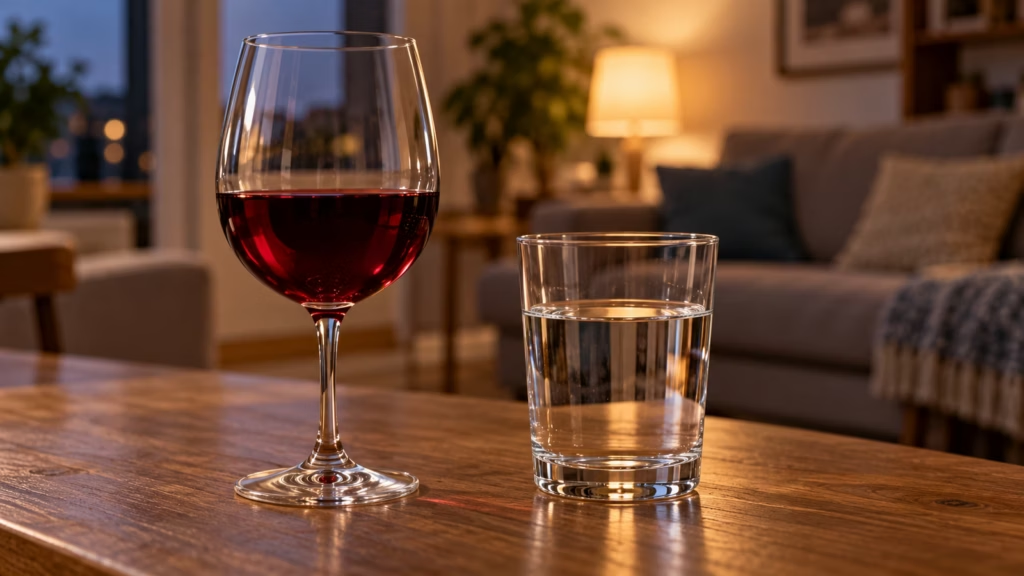
A drink in the evening can make your eyelids feel heavy, which is an easy feeling to mistake for better sleep. Alcohol and sleep are more complicated than that first drowsy moment: a nightcap can leave the night less settled. It is not a reliable sleep aid, and the safest next step depends on your drinking pattern and any medicines you take.
Look at the whole night, not only the moment you start to nod off.
Alcohol and sleep: drowsiness is only one part
NIH’s healthy-sleep guidance advises avoiding alcohol before bed. It explains that alcohol can keep sleep lighter and that waking may occur as its sedating effects wear off. Feeling sleepy at the start is therefore different from having a restful night.
I would be cautious about judging a nightcap by how fast someone falls asleep. A useful question is whether the night stays reasonably settled and the next day feels manageable. A drink should not become the answer to every difficult evening.
- Falling asleep: an initial sleepy feeling does not establish that alcohol improved sleep quality.
- Staying asleep: interrupted rest can matter even when bedtime itself seemed easy. Do not assume a quick start cancels the rest of the night.
- Repeated trouble: if sleep remains difficult, investigate it with a healthcare professional rather than increasing the drink or adding another sleep product.
This is not a way to diagnose the cause of every awakening. Stress, an uncomfortable room, medicines, and sleep disorders can also be relevant. Alcohol and sleep deserve attention without making one habit the explanation for everything.
Check three important considerations before a nightcap
There is no single clock time in this article that makes an evening drink harmless for everyone. Personal circumstances matter, and a general wellness post cannot clear alcohol use alongside a medicine or an existing condition.
- Is the drink being used as a sleep aid? If so, treat the underlying sleep difficulty as something worth addressing. Replacing one nightcap with a different alcoholic drink does not remove the alcohol.
- Could a medicine interact? NIAAA warns about dangerous alcohol–medication combinations, including medicines used for sleep or anxiety and opioids. Ask a pharmacist or prescriber about your actual medicines; do not stop prescribed treatment to accommodate drinking.
- Could physical dependence be involved? If you feel unwell without alcohol or suspect dependence, get medical advice before cutting down or stopping. A self-directed sleep experiment is not an appropriate detox plan.
Advice about alcohol and sleep should make that last distinction clear. For someone who is physically dependent, abruptly stopping can be harmful. The helpful next step is qualified support, rather than a challenge to prove you can manage alone.
Give the evening pause a different job
If dependence is not a concern and a drink has mainly become the signal that the day is over, consider what that pause is doing for you. Do you want a pleasant drink, less stimulation, or a moment without another task? Choose an option that fits that need without promising it will put you to sleep.
- For the drink itself: choose a suitable nonalcoholic option you enjoy. Check labels if avoiding alcohol, and consider caffeine rather than assuming every alternative is bedtime-friendly.
- For a quieter transition: put down the work screen and choose a familiar low-demand activity, such as reading a few pages or listening to something gentle.
- For an evening that never seems to end: simplify one optional task. You do not need to replace a nightcap with an elaborate routine that keeps you up later.
The bedtime-procrastination guide offers ways to leave room for personal time and sleep. My preference would be to keep the pause enjoyable and ordinary, without turning it into a product shopping list or a test of perfect relaxation.
Notice patterns and know when support matters
A few brief notes can help you describe what is happening: when you drank, roughly how much, when you tried to sleep, and how the night and next morning felt. These observations can support a conversation about alcohol and sleep; they cannot prove the cause of a sleep problem.
- Bring the pattern to care: talk to a healthcare professional if sleep difficulties persist, you often feel excessively sleepy, or you rely on alcohol to settle at night.
- Ask for alcohol support: the NHS recommends medical advice for possible dependence. Sweating, shaking, nausea, or anxiety when alcohol wears off can warrant assessment; do not suddenly stop if you may be dependent.
- Recognize an emergency: severe withdrawal symptoms such as hallucinations, severe tremors, or seizures need emergency help. Contact your local emergency service, including 999 in the UK.
- Keep the conversation honest: tell the clinician what you actually drink and which medicines you use. Useful care does not require presenting a tidier version of your evenings.
A better approach to alcohol and sleep begins with accurate information and the right level of help. You do not have to solve the whole situation tonight to take it seriously.
Sources

Hi, I’m Sara Tancradi, the author behind Zenypath. I write about everyday wellness, mindful living, and small habits that make room for a little more calm. My approach is practical and gentle: explore what’s useful, stay curious, and find routines that fit your life. Through clear explanations and approachable ideas, I hope to make caring for yourself feel less overwhelming—and a little more enjoyable.