
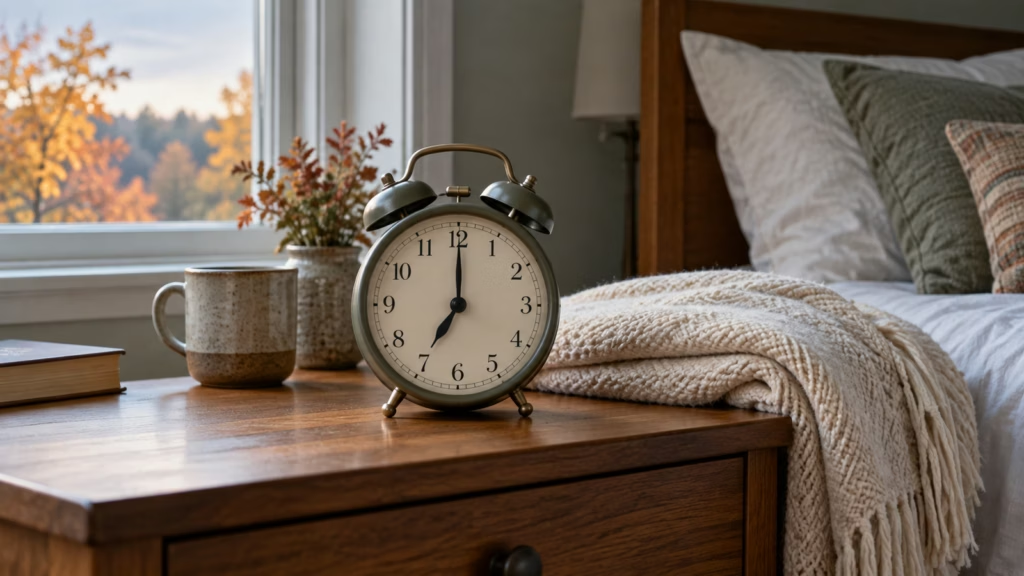
The clock says you have an extra hour, but your eyes may still open at the usual time. These fall-back sleep tips start with a less ambitious goal: protect your normal chance to rest, check the practical details, and keep the following days reasonably steady. In participating U.S. locations, clocks move back on Sunday, November 1, 2026. You don’t need to turn that weekend into a sleep-improvement project.
Give the extra hour some breathing room instead of filling it with another obligation.
What changes on November 1, 2026
At 2 a.m. local time, the clock returns to 1 a.m., repeating one hour. That’s the fall return to standard time, not the spring change that skips an hour. NIST confirms the 2026 date and rules; most of Arizona and Hawaii do not make this change.
- Check your location. Several U.S. territories also do not observe daylight saving time. If you’re traveling or meeting someone remotely, verify both local times rather than assuming everyone changes together.
- Check the devices you rely on. Compare your alarm, phone, and any manually set clocks after the change. An oven clock is not the ideal authority for a Monday meeting.
- Separate clock time from sleep. The day has an additional hour, but that does not guarantee you’ll spend it asleep. Plan around your obligations and how you actually feel.
I’d put the date on the calendar and leave it there. Repeatedly calculating the ‘old time’ can turn a simple scheduling detail into the evening’s main event.
Fall-back sleep tips to use before the weekend
The simplest fall-back sleep tips begin with enough room in the schedule for sleep. The National Heart, Lung, and Blood Institute’s sleep guidance favors consistent bedtimes and wake times, a quiet hour before bed, and a cool, dark, quiet bedroom. Those basics are more useful here than buying a new sleep gadget.
- Look at Saturday night and Monday morning together. Write down the earliest fixed commitment. Avoid treating the repeated hour as permission to squeeze in a late movie, extra work, and an ambitious early start.
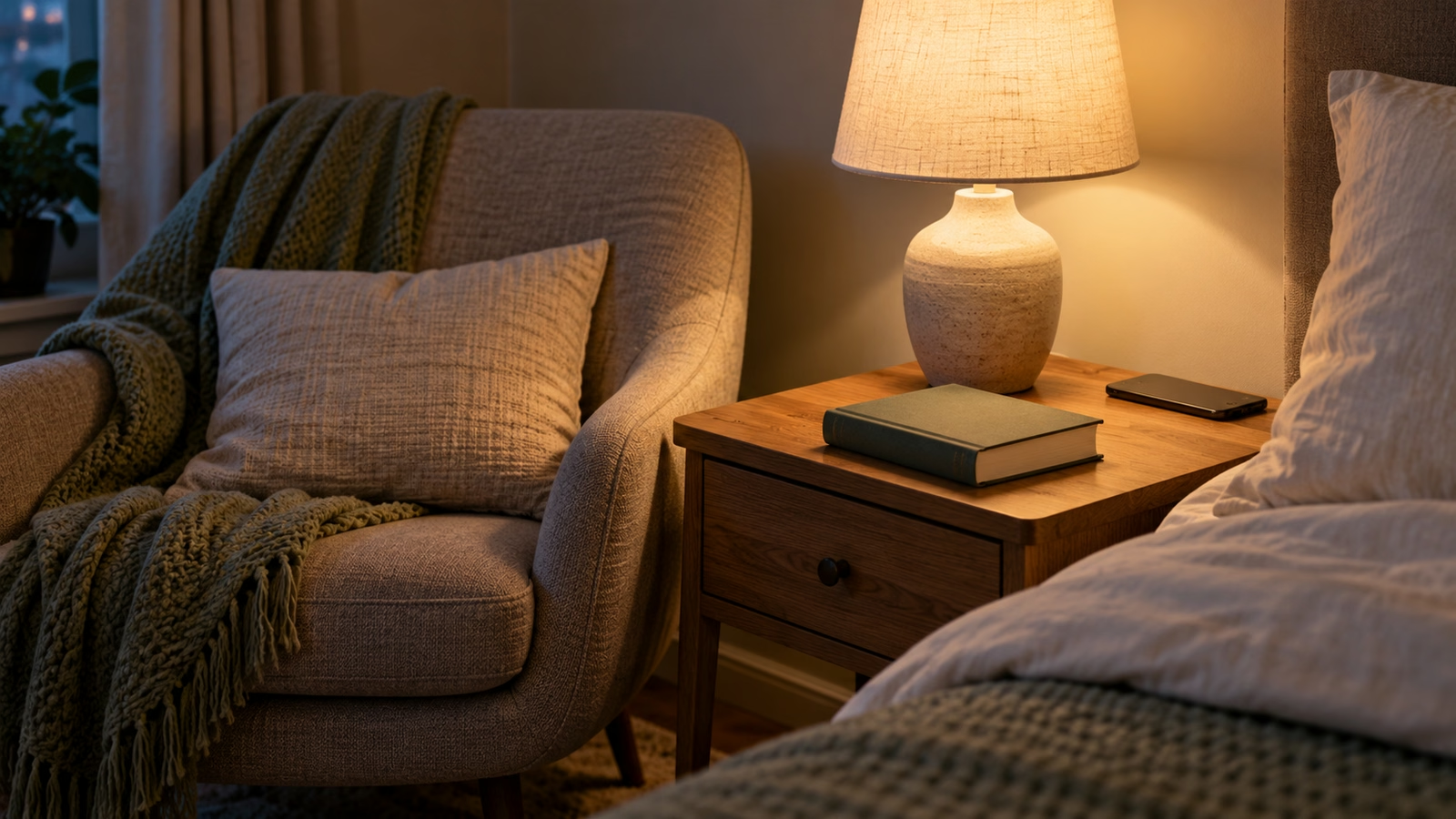
- Choose one easy evening cue. Set out a book, lower the bright lights, or put your phone aside when you begin getting ready. Pick something you can repeat without a complicated checklist.
- Handle morning friction in advance. Put your keys where you’ll find them, prepare what you need for work, or agree on household responsibilities. This is a convenience plan, not a treatment for sleep difficulties.
- Keep expectations realistic. A late shift, caregiving, or shared bedroom may limit what you can change. Focus on the piece that is genuinely yours to adjust rather than blaming yourself for the rest.
I prefer one useful preparation to a perfect-looking bedtime routine. If setting out tomorrow’s essentials makes the evening less crowded, that’s a worthwhile choice even if the clock change feels uneventful.

Make Sunday a steady day, not a catch-up marathon
Once the clocks change, use the new local time for your plans. NHLBI recommends spending time outdoors when possible and keeping daily routines consistent; you don’t need to turn daylight into a precisely timed prescription. A manageable walk or an ordinary outdoor break can fit into the day without becoming another assignment.
- Keep the first appointment simple. If you can choose, leave a little space before something demanding. That might mean preparing breakfast before opening work messages, rather than promising yourself a whole morning off.
- Choose a familiar activity. Walk a comfortable route, do a usual household task, or meet someone for an easy outing. The point is an ordinary day with recognizable anchors, not a heroic new routine.
- Plan for the earlier-looking evening. Daylight shifts toward the morning on the clock. If you normally walk after work, consider whether your route, visibility, and timing still suit the conditions.
- Leave sleep space on Sunday night. Don’t let unfinished weekend chores expand into every available minute. Decide what actually needs doing and what can wait until another day.
For example, a household with a fixed Monday departure could prepare bags on Sunday afternoon, choose an uncomplicated dinner, and keep its usual evening sequence. That’s an illustration to adapt, not a schedule everyone needs to follow.
If the new clock time still feels strange
A clock change and your body’s sense of timing are different things. The American Academy of Sleep Medicine supports permanent standard time because it aligns better with human circadian biology, the daily rhythms involved in sleep and wakefulness. That position does not mean every person adjusts on the same schedule.
- Notice the problem before changing everything. Are you going to bed later than planned, waking earlier, or struggling to stay alert? Brief notes about sleep and daytime functioning can make a conversation with a clinician more useful.
- Avoid promising yourself an instant reset. These fall-back sleep tips are everyday planning ideas. They are not a reason to change medication, start a supplement, or ignore an existing care plan.
- Ask for help when sleep affects daily life. Ongoing difficulty sleeping or significant daytime sleepiness deserves a conversation with a qualified healthcare professional. Don’t assume the calendar explains a continuing problem.
- Keep safety ahead of the schedule. If you’re too sleepy to drive or do a hazardous task safely, stop and arrange a safer option. Getting somewhere on time isn’t worth pushing through dangerous drowsiness.
I’d choose fall-back sleep tips that make your schedule easier to manage, with no promises about perfect sleep. You can read more about that everyday approach on Zenypath’s About page.
Sources
- NIST: Daylight Saving Time Rules
- NHLBI: Healthy Sleep Habits
- AASM: Permanent Standard Time Position Statement
- NHLBI: Sleep, Daytime Functioning, and Safety

Hi, I’m Sara Tancradi, the author behind Zenypath. I write about everyday wellness, mindful living, and small habits that make room for a little more calm. My approach is practical and gentle: explore what’s useful, stay curious, and find routines that fit your life. Through clear explanations and approachable ideas, I hope to make caring for yourself feel less overwhelming—and a little more enjoyable.