

The book stayed closed, the planned walks slipped, and the evening routine disappeared under a busy week. Learning how to restart a habit begins with one useful question: what would make the next attempt possible? Choose one routine you still want, identify what interrupted it, and restart with a manageable version.
Choose the next small action that fits your life now, rather than trying to recreate an ideal week.
Look at the interruption before blaming the habit
Deciding how to restart a habit is easier when you can name what changed. NIDDK’s behavior-change guidance treats setbacks as something to plan around and learn from. A routine that worked before travel, a shift change, or a demanding week may need a different version afterward.
- The time changed. Your usual opening disappeared. Look for a new cue or a smaller commitment rather than insisting the old time must still be available.
- The setup changed. The book is packed away, the shoes are hard to find, or the space is occupied. Restoring access may be more useful than searching for motivation.
- The plan was too large. You could do it on an unusually good day but struggled when the day was ordinary. Consider what you would still be willing and able to do with less spare time.
- The goal no longer matters in the same way. Ask whether you want to resume the habit, change it, or let it go. Returning automatically to an unwanted routine is not the only valid choice.
I’d start with the most concrete explanation available. ‘My evening meeting moved later’ gives you something to work with; a broad judgment about being bad at routines usually does not.
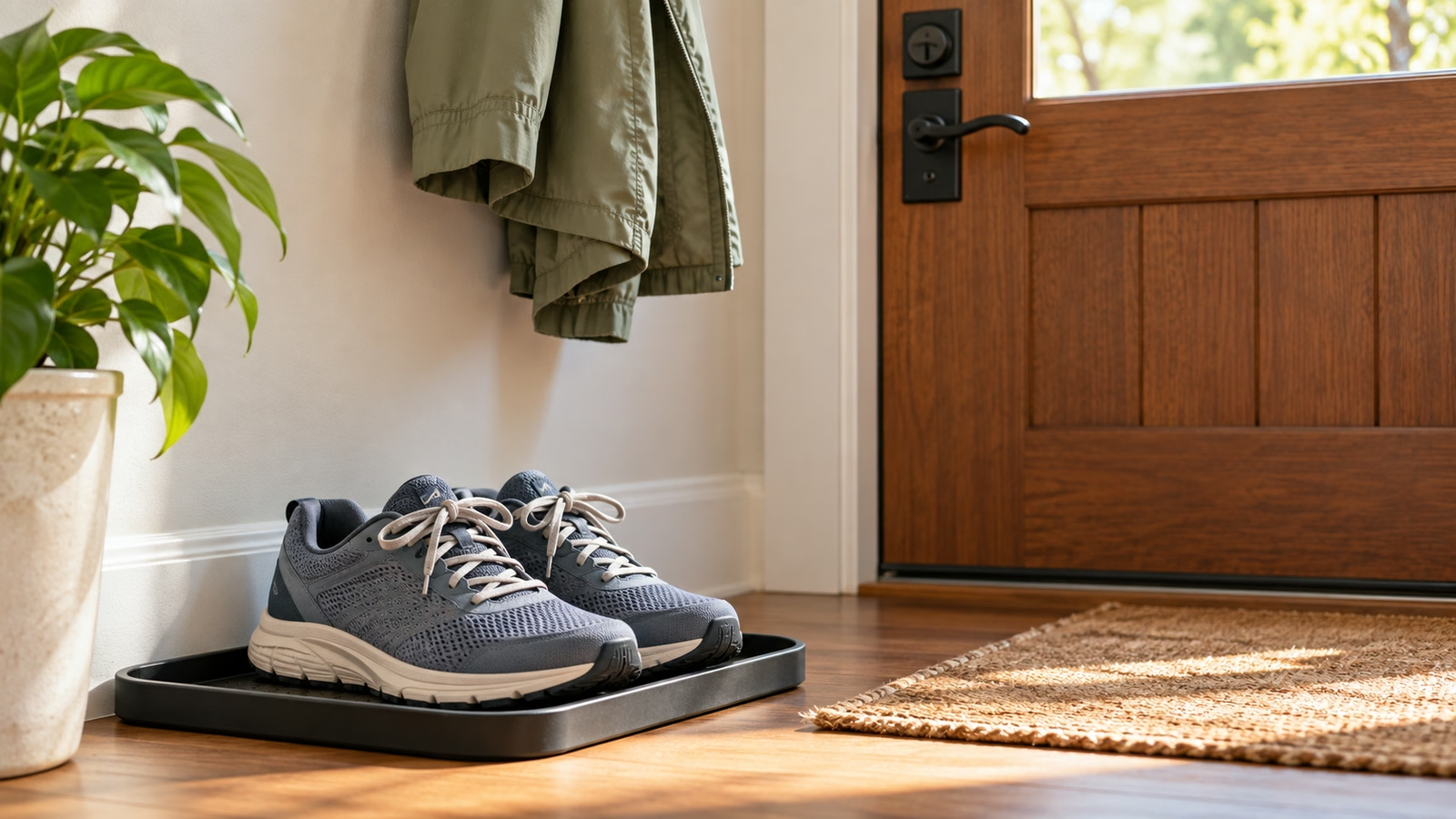
How to restart a habit in four small steps
Pick one habit for the restart, then write a plan small enough to understand at a glance. NIH’s habit guidance recommends reasonable goals, specific actions, and planning for obstacles. The steps below are a practical way to organize those decisions.
- Name the next action. Replace ‘get back into reading’ with something you can actually do, such as opening the book at the bookmark and reading a little. Choose the amount yourself; the purpose is a clear starting point.
- Choose a cue you will notice. Connect the action to a familiar event, such as putting away dinner dishes or finishing an agreed work break. Make sure the cue happens on the kinds of days you are planning for.
- Remove one obstacle in advance. Put the book by the chair, locate the shoes, or prepare the item you need. You are making the next attempt more convenient, not designing a flawless environment.
- Decide what the smaller version is. If the ordinary plan will not fit, choose a version that still serves the purpose. If even that is not appropriate, decide when you will review the plan instead of making an unrealistic promise.
For example, someone restarting an evening reading habit might leave the book beside a chair and read after clearing the table. On a crowded evening, the smaller version could be a brief return to the current chapter. These are examples of a personal plan, not a required amount of reading or a formula for making any habit stick.
Match the restart to the thing that got in the way
The practical details of how to restart a habit depend on the obstacle. A reminder helps only if forgetting is the problem. If access, timing, or effort is the issue, change that part of the plan instead of adding more alerts.
| Routine | What interrupted it | A possible adjustment |
|---|---|---|
| Reading for enjoyment | The book stayed out of sight | Leave it where you usually sit and choose a small next reading session |
| A regular walk | Weather made the usual route impractical | Choose a safe indoor alternative before the next planned walk |
| Preparing for the next day | The full evening checklist became too long | Set out one essential item first and reconsider the optional tasks |
If movement is the routine you are returning to, our indoor walking guide compares practical alternatives to an outdoor route. Returning after illness or injury may call for a different activity or professional guidance; do not assume your old amount is automatically appropriate.

Review the next attempt without turning it into a verdict
When working out how to restart a habit, pay attention to whether the revised plan fits. A short note about what happened can be more informative than a perfect-looking streak. NIDDK recommends reviewing goals and planning around setbacks, rather than treating a missed attempt as the end of the process.
- If you followed through: notice what helped. Keep that useful part of the setup instead of immediately making the routine much bigger.
- If you missed it again: check the actual reason. Was the cue easy to miss, did another responsibility take priority, or was the smaller version still too ambitious? Adjust the matching detail.
- If you need support: ask for a specific kind, such as company for a walk or agreement about a shared space. Be clear about what would help rather than expecting somebody else to monitor every attempt.
- If something bigger is getting in the way: persistent exhaustion, low mood, pain, or other health concerns may need qualified support. A habit plan can organize an ordinary routine, but it cannot assess or resolve an underlying condition.
What I like about a smaller restart is that it gives you something concrete to learn from. You can keep the goal that matters while changing the route toward it, one realistic attempt at a time.
Sources

Hi, I’m Sara Tancradi, the author behind Zenypath. I write about everyday wellness, mindful living, and small habits that make room for a little more calm. My approach is practical and gentle: explore what’s useful, stay curious, and find routines that fit your life. Through clear explanations and approachable ideas, I hope to make caring for yourself feel less overwhelming—and a little more enjoyable.