
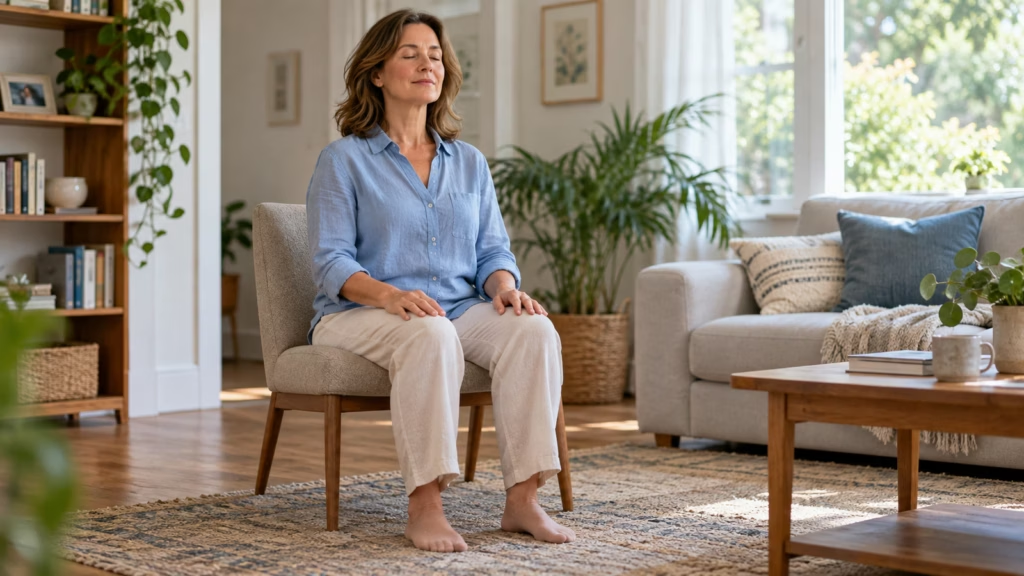
You sit down for a quiet moment, and your mind immediately remembers the laundry, tomorrow’s meeting, and a message you meant to answer. Meditation for beginners does not require an empty mind. Start with a comfortable position and a brief chance to notice attention wandering, then gently return to a chosen point of focus without treating the interruption as failure.
The practice is the gentle return, not a perfect stretch with no thoughts.
What meditation for beginners actually asks of you
Meditation includes different approaches. NCCIH describes practices that focus attention on sensations, sounds, images, or repeated words; mindfulness involves attention to the present without judgment. Here, the aim is a simple introduction to paying attention, rather than a particular spiritual tradition or clinical program.
I would skip the demand to become instantly serene. It adds an awkward extra assignment to an activity that is supposed to be approachable. You can be aware of a busy mind without needing to like every thought or solve it right now.
- Choose something to notice: it might be the ordinary sensation of breathing or a sound in the room. The focus gives attention somewhere to return.
- Expect interruptions: realizing that your mind has wandered is a moment of noticing, not a ruined session.
- Return without a lecture: you do not need to criticize yourself or finish the thought before bringing attention back.
Meditation for beginners can stay modest. A short personal practice is different from a structured mindfulness-based treatment delivered over time, and it should not be advertised as offering the same results.
Try five simple steps, with comfort first
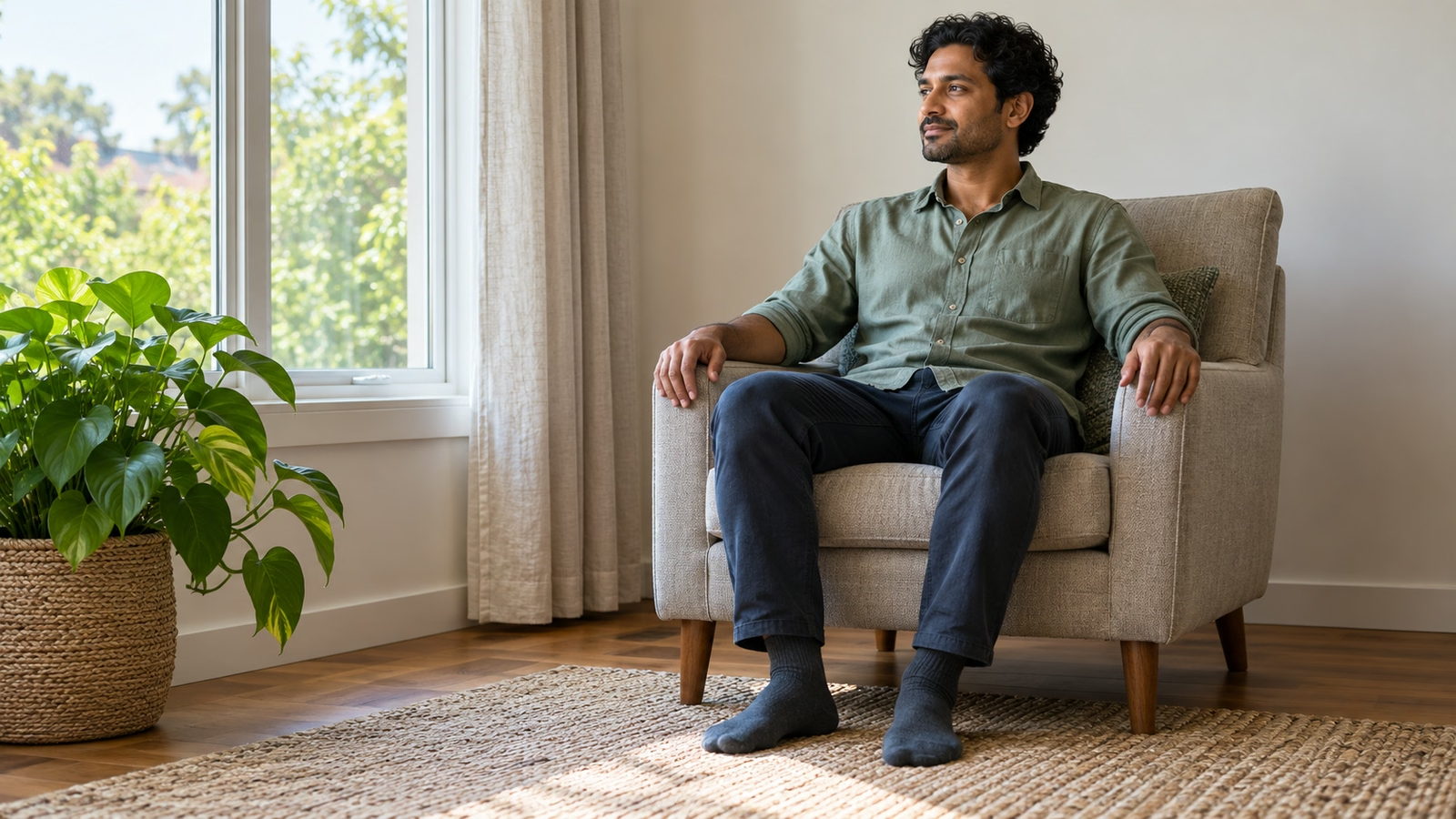
Choose a place where you can pause safely without needing to monitor traffic, a stove, or another responsibility. The NHS beginner guide offers a practical introduction; you can also use its guided video if following a voice feels easier.
- Settle into a comfortable position. A supportive chair is fine; rest your hands and support your feet as needed. Sitting on the floor is not a requirement, and discomfort does not make the practice more worthwhile.
- Choose a small amount of time. A minute or two can be an approachable first attempt. This is a starting example, not a proven dose or an obligation to increase every day.
- Let breathing stay ordinary. Notice a comfortable sensation of the breath, or choose a sound if that suits you better. There is no need to force a deep breath, hold it, or follow an elaborate count.
- Notice and return. When attention moves to a thought, bring it back to the chosen focus. Repeat as needed without keeping score of how often it happened.
- End gently. Notice the room and take a moment before standing or returning to your next task. Check whether the experience felt suitable, rather than demanding a dramatic change in mood.
Keep your eyes open with a soft gaze if closing them is uncomfortable. Meditation for beginners should allow practical adjustments; you do not owe a photograph-perfect posture to an ordinary quiet moment.
Make a small practice fit an ordinary day
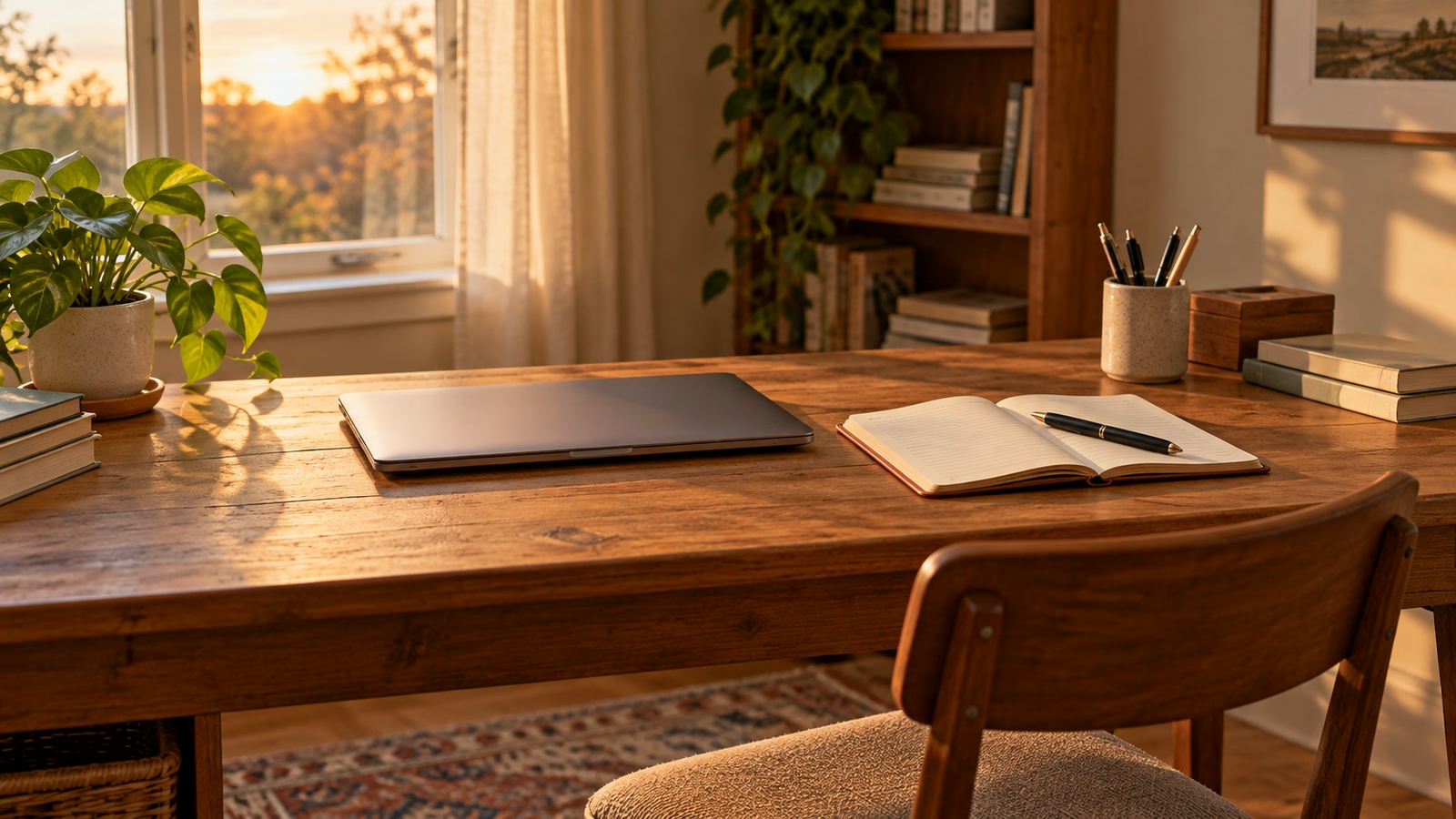
Pick a transition that already exists, such as finishing work or sitting down before a familiar activity. Do not choose a moment when you are continually interrupted and then blame yourself for the interruptions. My preference is to make the setting easier before making the session longer.
- Reduce one distraction: set the phone aside or close the work screen if doing so fits your responsibilities. You do not need absolute silence.
- Keep equipment optional: an appropriate seat and a little time are enough for this introduction. A cushion, app, subscription, or special outfit is not a prerequisite.
- Use a guide selectively: choose clear instructions and a pace you find comfortable. Skip claims about instant healing or guaranteed transformations.
- Avoid a rigid streak: if the planned moment does not fit, choose another suitable one or leave it for another day. A habit should not become another source of pressure.
For a different way to reconnect with your surroundings, these grounding techniques offer an everyday option. They are a separate practice, so you can choose what fits rather than combine several methods into one crowded routine.
Know the limits and leave room to stop
Research on meditation is not a guarantee about what a brief session will do for you. NCCIH notes that studies vary and findings can be interpreted too optimistically. It also reports that unwanted experiences can occur and advises against replacing conventional healthcare with meditation.
The NHS says mindfulness is not right for everyone, and some people feel worse. Meditation for beginners should come with permission to stop, not advice to push through distress.
- If it feels unsettling: stop the practice, open your eyes, and return to an ordinary activity that feels comfortable. You do not need to finish a timer.
- If distress persists: seek advice from a qualified healthcare professional. This article cannot assess what caused it or which approach is appropriate for you.
- If you want ongoing instruction: ask about the teacher’s training and experience. Individual guidance may matter when you have mental-health concerns.
- If you receive treatment: continue your care plan and discuss complementary practices with your clinician. Meditation is not a reason to postpone help or change medicines.
A useful first attempt is simply an informed, manageable choice. You may continue, adapt, or decide it is not for you; none of those choices requires turning your mind into a perfectly quiet room.
Sources
- NCCIH: Meditation and Mindfulness, Effectiveness and Safety
- NHS: How to Meditate for Beginners
- NHS: Mindfulness

Hi, I’m Sara Tancradi, the author behind Zenypath. I write about everyday wellness, mindful living, and small habits that make room for a little more calm. My approach is practical and gentle: explore what’s useful, stay curious, and find routines that fit your life. Through clear explanations and approachable ideas, I hope to make caring for yourself feel less overwhelming—and a little more enjoyable.