

You are nearly ready to leave, but the keys are missing, the bag is half packed, and choosing clothes has become a negotiation with the clock. A practical morning routine starts by moving a few predictable decisions out of that moment. Prepare the essentials you can, keep the wake-up sequence short, and leave optional extras for mornings with real space.
A supportive morning does not need more rituals; it needs fewer avoidable obstacles.
Build your morning routine around the essentials
Start with what must happen before you leave home or begin the day. Include your own care, the people who depend on you, and the practical requirements of work or other commitments. Then separate those tasks from things that would be pleasant if time allows.
The National Institute of Mental Health recommends setting priorities and making sleep a priority. I would use that as a more useful starting point than copying a long routine from someone whose schedule, health, and responsibilities are different.
- Essential: the care, food, clothing, and necessary belongings that fit your needs and plans. Follow any existing care instructions rather than moving them around to match a lifestyle routine.
- Helpful preparation: a place for keys, a packed bag, and a clear first task. These address actual points where your morning gets stuck.
- Optional: a walk, journaling, a longer breakfast, or another enjoyable activity. Choose what you value without making every option compulsory.
Write the essentials in ordinary language. ‘Get ready and check my bag’ may be enough; there is no need to turn washing your face into a project plan. If the list is already too long for the time available, the problem may be the load, not your discipline.

Move a few decisions to an earlier, calmer moment
Choose two or three preparations that solve a recurring snag. Do them at a time that fits your evening, rather than sacrificing sleep for a complete household reset. The goal is to simplify your morning routine, not create a second shift tonight.
- Put departure items together. Keep keys, your bag, and the things you regularly take in one practical spot. Leave shared spaces and exits clear.
- Choose suitable clothes. Check the day’s plans and likely weather, then set out what you need. A complete wardrobe redesign is outside the brief.
- Decide on an easy food option. Choose something that fits your needs and usual routine. Store any prepared food safely; avoid leaving perishable items on the counter overnight.
- Note the first obligation. Check the start time, travel needs, or first work task once. This is preparation, not an invitation to reopen every message before bed.
For someone working from home, the useful preparation might be a ready desk and one task note. For someone leaving early, the bag may matter more. I like preparation that has a visible job: when you use it tomorrow, you can tell exactly which decision it saved.
Keep the wake-up sequence short enough to use
A morning routine can have a simple order without a rigid minute-by-minute timetable. Begin with your essentials, then add one optional activity only if it fits comfortably. You do not have to earn breakfast by finishing a workout or write a journal entry before you are allowed to start work.
- First, basic care: follow your normal personal-care needs and any existing instructions relevant to you.
- Next, the day’s practical setup: get dressed, have the food or drink that fits your routine, and use what you prepared.
- Then, one useful pause if available: step outside, sit quietly, or choose a comfortable movement. These morning-light ideas explain one possible option without requiring a perfect sunrise.
- Finally, begin or leave: let the sequence have an ending. Adding another beneficial-sounding ritual can make you late just as easily as an unrelated distraction.
Consider a morning with a short window before departure. You might complete the essentials and leave with the prepared bag; the walk can happen later. On a more spacious day, you can include it. Both versions belong to the same routine.
Protect sleep and leave room for changing mornings
Waking earlier is not automatically an improvement if it means losing sleep. NHS sleep guidance recommends a regular sleep routine where possible. Build your morning plan around a realistic sleep opportunity, rather than using a famous early wake-up time as evidence that you are doing it correctly.
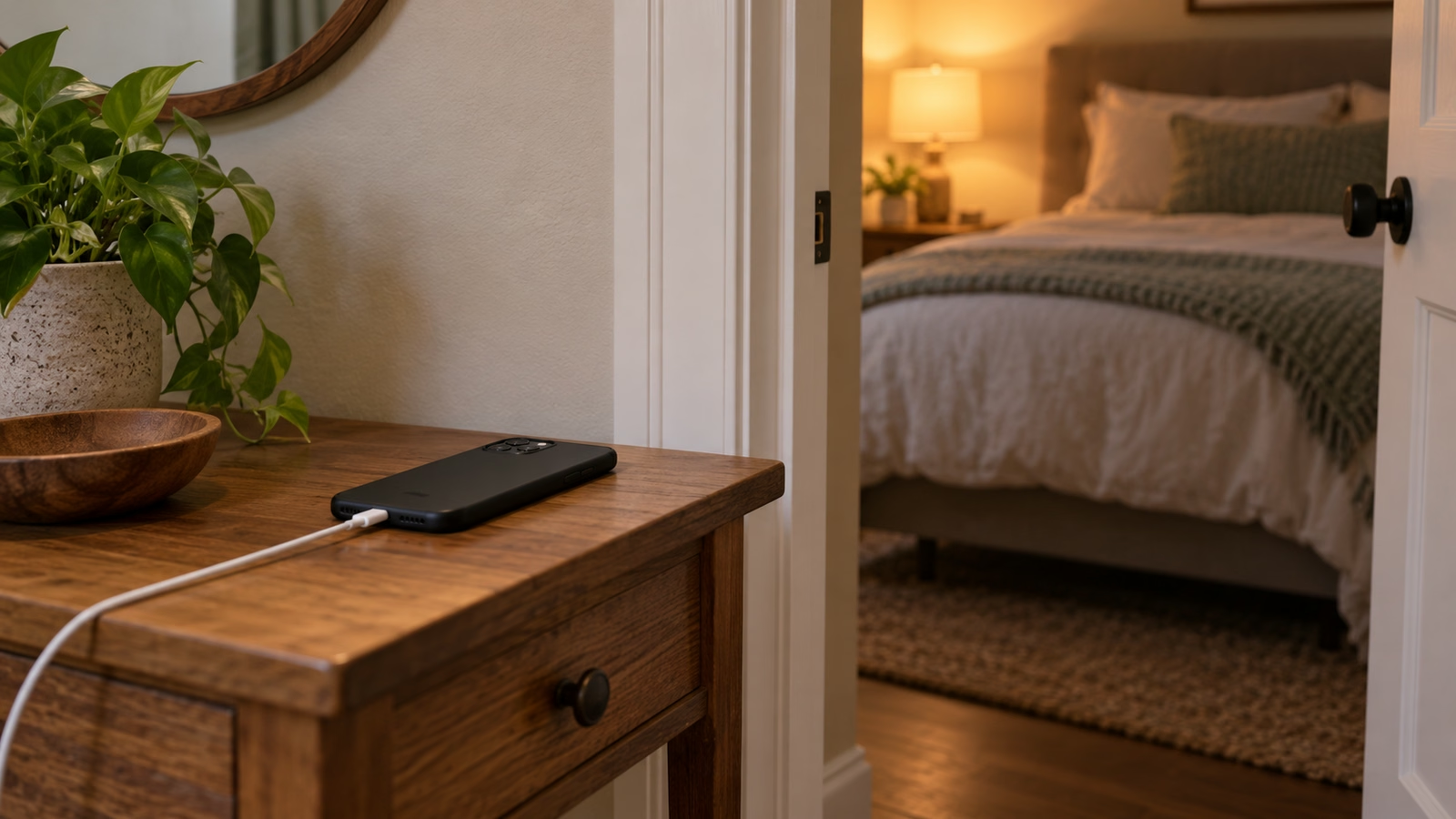
Phones can help with alarms, accessibility, work, and care responsibilities, so a phone-free rule will not fit everyone. If messages repeatedly pull you away from getting ready, choose when you need to check them and when they can wait. Leaving the phone in a practical place can be an option, not a moral test.
- For changing shifts: use a short after-waking sequence that fits your schedule. Seek personal guidance if shift-related sleep problems persist.
- For interrupted nights: use the essential version. An elaborate routine does not repay lost sleep.
- For caregiving demands: allow changes and share tasks where possible. A polished timetable cannot make another person’s needs predictable.
- For persistent difficulty getting started: consider sleep, health, mood, and support needs. Get professional help when symptoms are distressing or interfere with daily life.
After trying the morning routine, ask which preparation actually helped and which step felt unnecessary. Keep the useful part. I would rather have a workable start that changes with the day than a beautiful checklist that only works on an unusually quiet morning.
Sources
- NIMH: Caring for Your Mental Health
- NHS Every Mind Matters: How to Fall Asleep Faster and Sleep Better

Hi, I’m Sara Tancradi, the author behind Zenypath. I write about everyday wellness, mindful living, and small habits that make room for a little more calm. My approach is practical and gentle: explore what’s useful, stay curious, and find routines that fit your life. Through clear explanations and approachable ideas, I hope to make caring for yourself feel less overwhelming—and a little more enjoyable.